

Is Calcium Sulfate Bad for You? The Additives in Processed Foods
Hey foodies, have you ever wondered about the mysterious additives lurking in your favorite processed foods? One common ingredient that often raises eyebrows is calcium sulfate. But is it really as bad for you as some people claim? Let’s dig into the facts and separate myth from reality in our exploration of this controversial additive. Get ready to satisfy your curiosity and make informed decisions about what you put on your plate. Let’s get started!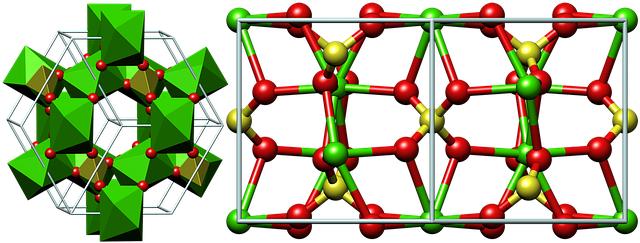
Contents
- – Understanding Calcium Sulfate: What is it and Where is it Found?
- – Potential Health Concerns Associated with Calcium Sulfate
- – The Role of Calcium Sulfate in Processed Foods
- – Reading Food Labels: How to Identify Calcium Sulfate in Products
- – The Debate: Is Calcium Sulfate Harmful to Your Health?
- – Tips for Minimizing Consumption of Calcium Sulfate in Your Diet
- – Alternatives to Processed Foods Containing Calcium Sulfate
- – Consulting with a Nutritionist: Making Informed Decisions About Additives
- Key Takeaways
– Understanding Calcium Sulfate: What is it and Where is it Found?
Calcium sulfate, also known as gypsum, is a naturally occurring mineral that is commonly found in rocks and soil. It is composed of calcium, sulfur, and oxygen, and has a variety of uses in industries such as construction, agriculture, and food production.
When it comes to processed foods, calcium sulfate is often added as a food additive to help improve texture, shelf life, and stability. It is commonly found in a wide range of products, including baked goods, dairy alternatives, and canned vegetables. While calcium sulfate is generally recognized as safe by the FDA, some people may have sensitivities or allergies to it.
It’s important to read food labels carefully and be mindful of the ingredients in the foods you consume. While calcium sulfate is generally considered safe in moderate amounts, it’s always a good idea to be aware of what you’re putting into your body and listen to how it makes you feel.
– Potential Health Concerns Associated with Calcium Sulfate
Calcium sulfate is a common food additive that is used to extend the shelf life of processed foods and improve their texture. While it is generally recognized as safe by the FDA, there are some potential health concerns associated with consuming calcium sulfate.
- High intake may lead to digestive issues: Consuming large amounts of calcium sulfate may cause digestive discomfort, including bloating, gas, and diarrhea.
- Possible link to kidney stones: Some studies suggest that high intake of calcium sulfate may contribute to the formation of kidney stones in susceptible individuals.
- May contain impurities: Calcium sulfate used in food production may contain trace amounts of heavy metals or other contaminants, which could have negative health effects over time.
While calcium sulfate is generally considered safe in small amounts, it is important to be mindful of your intake and limit consumption of processed foods that contain this additive to reduce the potential health risks associated with it.
– The Role of Calcium Sulfate in Processed Foods
In processed foods, calcium sulfate is commonly used as a food additive to enhance texture and stabilize products. While it may sound concerning, calcium sulfate is actually a naturally occurring mineral that is safe for consumption in moderate amounts. It is important to note that calcium sulfate has been deemed safe for consumption by regulatory bodies such as the FDA.
One of the main benefits of calcium sulfate in processed foods is its ability to improve the texture and consistency of products. It can help prevent ingredients from separating, improve the shelf life of foods, and enhance overall quality. Additionally, calcium sulfate is a good source of calcium, which is essential for maintaining strong bones and teeth.
Overall, while it is important to be mindful of the ingredients in processed foods, calcium sulfate is not inherently bad for you. As with any food additive, moderation is key. It is always best to focus on consuming a balanced diet rich in whole, unprocessed foods to ensure optimal health and well-being.
– Reading Food Labels: How to Identify Calcium Sulfate in Products
If you’re someone who pays close attention to the ingredients in the food you consume, you may have come across calcium sulfate listed on various products. But what exactly is calcium sulfate, and is it something you should be concerned about?
Calcium sulfate is a common food additive that is used in a variety of processed foods to improve texture, prevent clumping, and act as a firming agent. While it may sound like a harmful chemical, calcium sulfate is actually a naturally occurring mineral that is safe for consumption in moderate amounts.
However, like any food additive, it’s important to be aware of how much calcium sulfate you’re consuming and to understand how it may affect your health. By reading food labels carefully and being mindful of the ingredients in the products you purchase, you can make informed choices about the foods you eat.
– The Debate: Is Calcium Sulfate Harmful to Your Health?
When it comes to additives in processed foods, one common ingredient that often sparks debate is calcium sulfate. Some argue that it is a harmless substance that helps improve texture and shelf life, while others claim that it may have negative effects on health. So, what is the truth about calcium sulfate and its impact on our well-being?
Proponents of calcium sulfate point out that it is a naturally occurring mineral that is widely used in food production. It is generally recognized as safe by the FDA and is commonly found in items such as bread, cereals, and processed cheese. Additionally, calcium sulfate is a good source of calcium, which is essential for bone health and overall wellness.
On the other hand, critics of calcium sulfate argue that it may be harmful in large quantities. Some studies suggest that excessive intake of calcium sulfate may lead to digestive issues or mineral imbalances. As with any food additive, moderation is key, and it is essential to consider individual dietary needs and sensitivities when consuming calcium sulfate in processed foods.

– Tips for Minimizing Consumption of Calcium Sulfate in Your Diet
When it comes to consuming processed foods, one common additive to watch out for is calcium sulfate. While this compound is generally recognized as safe by the FDA, consuming large quantities of it may not be ideal for everyone. To minimize your intake of calcium sulfate in your diet, consider the following tips:
- Avoid processed foods: Opt for whole, unprocessed foods whenever possible to reduce your exposure to added calcium sulfate.
- Read labels carefully: Check the ingredients list on packaged foods to see if calcium sulfate is listed. Look for healthier alternatives if possible.
- Cook from scratch: By preparing your meals at home, you can control the ingredients and minimize the amount of calcium sulfate in your diet.
- Consider dietary supplements: If you’re concerned about your calcium intake, talk to your healthcare provider about whether a supplement is right for you.
– Alternatives to Processed Foods Containing Calcium Sulfate
When it comes to processed foods, it’s important to be aware of the additives that can be harmful to your health. Calcium sulfate is one such additive that is commonly used in processed foods to help with texture and stability. While it is generally recognized as safe by the FDA, some people may have sensitivities or allergies to this additive.
If you’re looking to avoid processed foods containing calcium sulfate, there are plenty of natural alternatives that can provide you with the calcium your body needs. Some of these alternatives include:
- Leafy greens: Spinach, kale, and collard greens are all rich sources of calcium.
- Almonds: Almonds are not only a great source of calcium, but also provide healthy fats and protein.
- Oranges: Oranges and other citrus fruits are a good source of calcium as well as vitamin C.

– Consulting with a Nutritionist: Making Informed Decisions About Additives
When it comes to making informed decisions about additives in processed foods, consulting with a nutritionist can be invaluable. One common additive that often raises questions is calcium sulfate. Is calcium sulfate bad for you? Let’s take a closer look at this additive and its impact on health.
Calcium sulfate is a naturally occurring mineral that is commonly used as a food additive to improve the texture and stability of processed foods. While some people may have concerns about consuming additives like calcium sulfate, it is generally recognized as safe by the FDA. In fact, calcium sulfate is also commonly used as a dietary supplement to help ensure adequate calcium intake.
When consulting with a nutritionist about additives like calcium sulfate, it’s important to consider your individual dietary needs and health goals. A nutritionist can provide personalized guidance and recommendations to help you make informed decisions about the additives in processed foods. By working with a nutritionist, you can feel confident in the choices you make for your health and well-being.
Key Takeaways
In conclusion, while calcium sulfate is generally recognized as safe by the FDA, it’s important to be mindful of the amount of processed foods you consume that contain this additive. Moderation is key when it comes to any ingredient, and being aware of what you’re putting into your body is always a good practice. Remember, a balanced diet rich in whole, natural foods is always the best choice for your health. Stay informed, stay healthy, and always listen to what your body needs. Thanks for reading!
Get our latest guides, news, and insights highlighted in your Google Search & AI Overviews.


