

Why Electronics Are Bad for You: The Health Risks of Digital Overload
Hey there, fellow techies! In today’s fast-paced digital age, we’re constantly glued to our screens, surrounded by a sea of electronics. While our devices offer convenience and connectivity, have you ever stopped to think about the toll they might be taking on your health? In this article, we’ll explore the various health risks associated with digital overload and why it’s important to strike a balance between our digital lives and our well-being. So, put down your phone for a minute and let’s dive in!
Contents
- – Introduction: The Impact of Electronics on Our Health
- – Blue Light Exposure and Its Effects on Sleep Patterns
- – The Dangers of Prolonged Screen Time on Eye Health
- – Increased Risk of Developing Musculoskeletal Issues due to Sustained Device Use
- – Mental Health Concerns Associated with Excessive Technology Usage
- – Recommendations for Reducing the Health Risks of Electronics
- – Setting Boundaries and Establishing Tech-Free Zones in Your Home
- – Incorporating Regular Screen Breaks and Physical Activity into Your Routine
- – Seeking Professional Help for Technology Addiction or Related Health Issues
- In Conclusion
– Introduction: The Impact of Electronics on Our Health
Our reliance on electronics has dramatically increased over the years, with many of us spending countless hours each day staring at screens. While technology has undoubtedly brought about many benefits, such as improved communication and access to information, it also comes with a host of health risks that are often overlooked. In this post, we will explore the impact of electronics on our health and uncover the hidden dangers of digital overload.
One of the most significant health risks associated with excessive electronic device use is the potential damage to our eyes. **Extended screen time can lead to digital eye strain, characterized by symptoms such as blurred vision, dry eyes, and headaches.** Additionally, the blue light emitted from screens can disrupt our sleep patterns by suppressing the production of melatonin, the hormone responsible for regulating our sleep-wake cycle. **Poor sleep quality can have a cascade effect on our overall health, leading to fatigue, mood disturbances, and even increased risk of chronic diseases.**
Moreover, the sedentary nature of using electronic devices can contribute to a host of physical health issues, such as obesity, cardiovascular disease, and musculoskeletal problems. **Sitting for prolonged periods can slow down our metabolism, leading to weight gain, while poor posture and repetitive movements can cause chronic pain and discomfort.** It is crucial to be mindful of our screen time and take proactive measures to mitigate the adverse effects of electronics on our health.

– Blue Light Exposure and Its Effects on Sleep Patterns
Blue light exposure from electronic devices such as smartphones, tablets, and computers can have a significant impact on our sleep patterns. The blue light emitted by these devices can disrupt our natural sleep-wake cycle, also known as the circadian rhythm. This disruption can lead to difficulty falling asleep, staying asleep, and achieving restful sleep.
The effects of blue light exposure on sleep patterns include:
- Suppressing the production of melatonin, a hormone that regulates sleep and wakefulness
- Delaying the onset of sleep by tricking the brain into thinking it is still daytime
- Disrupting the quality of sleep by reducing REM sleep, which is crucial for cognitive function and overall well-being
To minimize the negative effects of blue light exposure on sleep patterns, it is important to limit screen time before bedtime, use devices with a blue light filter, and create a relaxing bedtime routine that does not involve electronic devices. Prioritizing healthy sleep habits and reducing digital overload can significantly improve the quality of your sleep and overall health.
– The Dangers of Prolonged Screen Time on Eye Health
Excessive screen time has become a norm in our digital age, with many of us spending hours glued to our electronic devices. However, the impact of this behavior on our eye health is often underestimated. Prolonged exposure to screens can lead to a host of eye problems, including:
- Eye strain and fatigue
- Dry eyes
- Blurred vision
- Headaches
These issues can range from mild discomfort to serious long-term conditions if not addressed properly.
| Health Risk | Impact on Eye Health |
|---|---|
| Eye Strain | Causes discomfort, fatigue, and potential long-term damage to the eyes. |
| Dry Eyes | Reduces the production of tears, leading to irritation and discomfort. |
| Blurred Vision | Affects the ability to focus clearly, especially after prolonged screen use. |
It is essential to take breaks, adjust screen settings, and practice good eye care habits to minimize the negative impact of digital overload on our eye health. Protect your eyes and prioritize your well-being amidst the digital age we live in.
– Increased Risk of Developing Musculoskeletal Issues due to Sustained Device Use
With the increasing reliance on electronic devices in our daily lives, many of us are unaware of the potential health risks associated with prolonged use. One major concern is the heightened risk of developing musculoskeletal issues due to sustained device use. This includes conditions such as:
- Neck strain
- Carpal tunnel syndrome
- Tennis elbow
These issues can arise from poor posture, repetitive movements, and extended periods of time spent hunched over a screen. The strain put on our muscles and joints can lead to long-term pain and discomfort if not addressed.
| Neck Strain | Caused by looking down at screens for extended periods of time |
| Carpal Tunnel Syndrome | Resulting from constant typing and mouse use |
| Tennis Elbow | Developed from repetitive movements such as scrolling or clicking |
– Mental Health Concerns Associated with Excessive Technology Usage
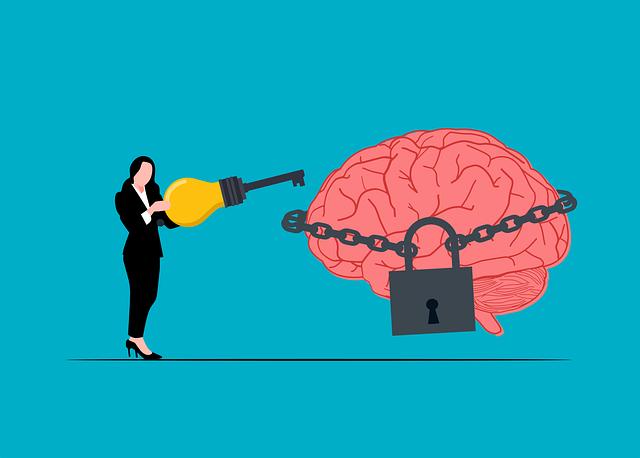
Excessive technology usage has become a prevalent issue in today’s society, with many individuals spending countless hours on their electronic devices. This digital overload can have serious implications on one’s mental health, leading to a variety of concerns that are important to be aware of.
Some of the mental health concerns associated with excessive technology usage include:
- Increased stress and anxiety: Constant exposure to emails, notifications, and social media can contribute to feelings of overwhelm and anxiety.
- Disrupted sleep: The blue light emitted from screens can interfere with the body’s natural sleep-wake cycle, leading to insomnia and poor sleep quality.
- Isolation and loneliness: Excessive screen time can detract from real-life social interactions, leading to feelings of isolation and loneliness.
| Health Risk | Impact |
|---|---|
| Increased stress and anxiety | Feelings of overwhelm and anxiety |
| Disrupted sleep | Insomnia and poor sleep quality |
| Isolation and loneliness | Feelings of isolation and loneliness |

– Recommendations for Reducing the Health Risks of Electronics
While electronic devices have become an integral part of modern life, it is important to be aware of the potential health risks associated with their overuse. Constant exposure to screens and electromagnetic fields can have negative impacts on our physical and mental well-being. Here are some recommendations for reducing the health risks of electronics:
- Limit screen time: Try to reduce the amount of time spent in front of screens, whether it be smartphones, computers, or televisions. Take frequent breaks to give your eyes and brain a rest.
- Practice good posture: Maintain proper posture while using electronic devices to prevent neck and back strain. Make sure your screen is at eye level and sit in a comfortable chair with good lumbar support.
- Use protective measures: Consider using blue light filter apps or screen protectors to reduce the strain on your eyes from prolonged screen exposure. Additionally, keep your devices at a safe distance from your body to minimize exposure to electromagnetic radiation.
– Setting Boundaries and Establishing Tech-Free Zones in Your Home
Having electronic devices constantly at your fingertips can have negative effects on your health and well-being. From increased screen time leading to eye strain and headaches, to disrupted sleep patterns from staring at screens before bedtime, the impacts of digital overload are significant. It’s important to set boundaries and establish tech-free zones in your home to help mitigate these risks and create a healthier balance.
Here are some reasons why limiting electronic usage and creating tech-free zones in your home is crucial:
- Reduces eye strain and headaches caused by excessive screen time.
- Improves sleep quality by limiting exposure to blue light emitted by screens.
- Promotes more meaningful family interactions and reduces distractions during meals or quality time together.
| Health Risks of Digital Overload | Effects |
|---|---|
| Eye Strain | Headaches and blurred vision |
| Sleep Disruption | Difficulty falling asleep and staying asleep |
| Reduced Family Time | Distractions and lack of meaningful interactions |

– Incorporating Regular Screen Breaks and Physical Activity into Your Routine
Regular exposure to screens can have detrimental effects on both our physical and mental health. From eye strain and headaches to disrupted sleep patterns and increased stress levels, the health risks of digital overload are numerous. Incorporating regular screen breaks into your routine can help alleviate some of these issues.
Not only does taking breaks from screens reduce the strain on your eyes, but it also allows you to engage in physical activity. Whether it’s going for a walk, doing some yoga, or simply stretching your muscles, physical activity is essential for maintaining a healthy lifestyle. By incorporating regular screen breaks and physical activity into your daily routine, you can help combat the negative effects of digital overload.
Remember, balance is key. Prioritizing your health by taking breaks from screens and engaging in physical activity can make a significant difference in how you feel both physically and mentally. So next time you’re feeling overwhelmed by technology, remember to take a step back, go for a walk, and give your body the break it deserves.
– Seeking Professional Help for Technology Addiction or Related Health Issues
Technology addiction is becoming an increasingly prevalent issue in today’s society, with more and more individuals finding themselves glued to their screens for hours on end. This digital overload can have serious consequences for our health, both physically and mentally. Here are some of the key health risks associated with excessive technology use:
- Eye Strain: Staring at screens for prolonged periods can lead to eye discomfort, dryness, and even long-term vision problems.
- Posture Problems: Spending too much time hunched over smartphones and tablets can cause neck, shoulder, and back pain.
- Sleep Disruption: The blue light emitted by screens can interfere with our sleep patterns, making it harder to fall asleep and stay asleep.
| Health Risk | Consequence |
|---|---|
| Eye Strain | Discomfort, dryness, vision problems |
| Posture Problems | Neck, shoulder, and back pain |
| Sleep Disruption | Difficulty falling asleep, staying asleep |
It’s important to recognize when technology use is becoming excessive and to seek professional help if needed. Don’t wait until your health is seriously impacted – take steps to limit your screen time and prioritize self-care for a healthier, happier life.
In Conclusion
In conclusion, it’s clear that excessive use of electronics can have significant impacts on our health. From eye strain and poor posture to disrupted sleep and increased stress levels, the health risks of digital overload are real and should not be ignored. It’s important to be mindful of our screen time, take regular breaks, and practice good digital habits to mitigate these risks. Remember, balance is key. So, next time you find yourself glued to your devices, consider taking a step back and prioritizing your well-being. Your body and mind will thank you in the long run.
Get our latest guides, news, and insights highlighted in your Google Search & AI Overviews.


