

Ham Hocks: Flavorful but Are They Healthy?
If you’ve ever indulged in a delicious bowl of collard greens or a hearty pot of beans, chances are you’ve encountered the flavorful and meaty ham hock. But while this Southern staple adds a rich and savory taste to dishes, many are left wondering: are ham hocks actually healthy? In this article, we’ll dissect the nutritional benefits and drawbacks of this often debated ingredient to help you make an informed decision about whether to include it in your diet. So, grab a seat and let’s dig into the tasty world of ham hocks.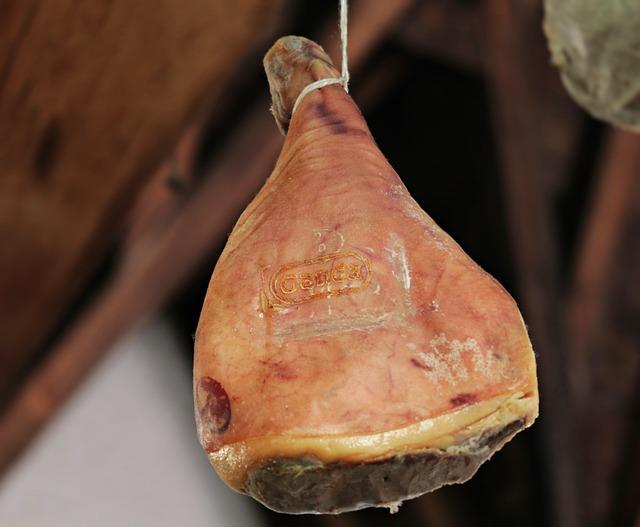
Contents
- Introduction to Ham Hocks: A Flavorful Delicacy
- Nutritional Profile of Ham Hocks: What You Need to Know
- Health Benefits and Risks of Consuming Ham Hocks
- Choosing the Best Ham Hocks: Tips for a Healthier Option
- How to Prepare Ham Hocks in a Healthy Way
- Incorporating Ham Hocks into a Balanced Diet
- Alternative Options to Ham Hocks for a Healthier Choice
- Insights and Conclusions
Introduction to Ham Hocks: A Flavorful Delicacy
Ham hocks are a popular ingredient in many dishes, known for their rich and flavorful taste. They are especially prized for the depth of flavor they can add to soups, stews, and beans. These cuts of meat come from the lower part of a pig’s leg, where the meat is surrounded by tough skin and tendons. When cooked low and slow, ham hocks become tender and juicy, infusing the dish with a smoky and savory essence.
While ham hocks are undeniably delicious, many people wonder about their health implications. **Are ham hocks a healthy choice?** In moderation, they can be part of a balanced diet, but it’s important to be aware of their nutritional profile. Ham hocks are high in fat and sodium, so they should be enjoyed sparingly, especially for individuals watching their intake of these nutrients. However, they also contain protein and some essential vitamins and minerals like iron and zinc, making them a flavorful addition when used mindfully.
| Nutrient | Amount per Serving |
|---|---|
| Protein | 12g |
| Fat | 16g |
| Sodium | 1100mg |
Nutritional Profile of Ham Hocks: What You Need to Know
Ham hocks are undeniably flavorful, adding a rich and savory taste to dishes like soups, stews, and beans. However, when it comes to their nutritional profile, there are some important factors to consider. While ham hocks can provide a tasty addition to your meals, it’s essential to be aware of their high fat and sodium content.
One 3-ounce serving of ham hock contains approximately:
- Calories: 250
- Total Fat: 20g
- Saturated Fat: 7g
- Cholesterol: 70mg
- Sodium: 800mg
While ham hocks can be enjoyed in moderation as part of a balanced diet, it’s essential to be mindful of their high fat and sodium levels. Opting for leaner protein sources more often can help support your overall health and well-being.

Health Benefits and Risks of Consuming Ham Hocks
Ham hocks are a popular ingredient in southern cuisine, known for their rich flavor and tender texture. While they can undoubtedly add a delicious twist to your dishes, it’s essential to consider both the health benefits and risks associated with consuming this meat.
On the one hand, ham hocks can be a good source of protein, iron, and zinc, which are essential nutrients for overall health. They can also add a depth of flavor to soups, stews, and beans, making them a favorite among home cooks and chefs alike.
However, it’s important to note that ham hocks are high in sodium, saturated fat, and calories, which can contribute to health issues like high blood pressure, heart disease, and obesity when consumed in excess. If you choose to enjoy ham hocks in moderation as part of a balanced diet, you can savor their delicious taste without compromising your health.
Choosing the Best Ham Hocks: Tips for a Healthier Option
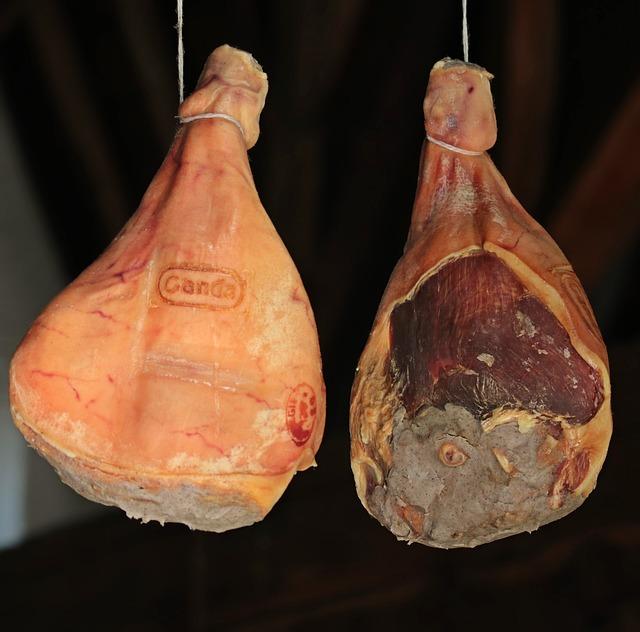
When it comes to choosing the best ham hocks for a healthier option, there are a few things to keep in mind. While ham hocks are flavorful and can add a delicious depth to soups, stews, and other dishes, they can also be high in fat and sodium. Here are some tips to help you make a healthier choice:
- Look for ham hocks that are labeled as “low-sodium” or “reduced-sodium” to help cut down on the amount of salt in your dish.
- Opt for ham hocks that are leaner, with less visible fat, to reduce the overall fat content of your meal.
- Consider choosing organic or pasture-raised ham hocks, which may contain fewer additives and hormones than conventionally-raised options.
By being mindful of the type of ham hocks you choose, you can enjoy the flavor they bring to your cooking while also making a healthier choice for you and your family.
How to Prepare Ham Hocks in a Healthy Way
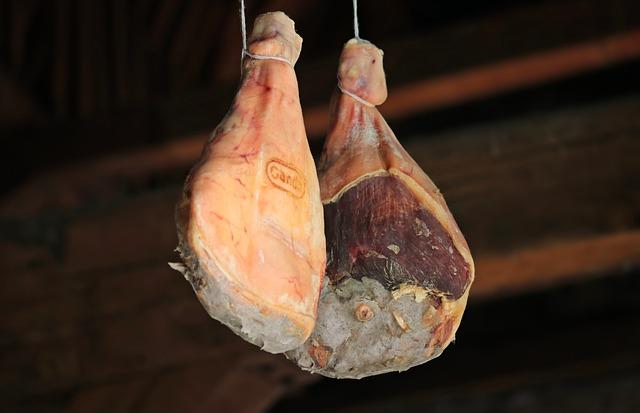
When it comes to preparing ham hocks in a healthy way, there are a few tips and tricks to keep in mind. While ham hocks are undeniably flavorful and delicious, they can also be high in fat and calories. By making some simple swaps and adjustments, you can enjoy this tasty dish without compromising your health.
One way to prepare ham hocks in a healthier manner is to opt for leaner cuts of meat. Look for ham hocks that have less visible fat marbling and trim off any excess fat before cooking. Another tip is to bake or grill the ham hocks instead of frying them, which can help reduce the amount of added fats. Additionally, try seasoning the ham hocks with flavorful herbs and spices instead of salt to cut down on sodium intake.
Overall, with a little creativity and attention to detail, you can enjoy the rich taste of ham hocks in a healthier way. By making smart choices in the kitchen, you can savor this classic dish without guilt. Remember, moderation is key, so enjoy ham hocks in moderation as part of a balanced diet rich in fruits, vegetables, whole grains, and lean proteins.

Incorporating Ham Hocks into a Balanced Diet
Ham hocks are a popular ingredient in many delicious dishes, adding a rich and savory flavor that can’t be beaten. However, many people wonder if incorporating ham hocks into their diet is a healthy choice. While ham hocks are definitely flavorful, they are not the healthiest option when it comes to meat choices. They are high in calories, fat, and sodium, so it’s important to enjoy them in moderation.
That being said, ham hocks can still be a part of a balanced diet if they are consumed in moderation and paired with plenty of nutritious fruits, vegetables, and whole grains. It’s all about finding the right balance and incorporating them into meals that also include healthier options. Remember, variety is key when it comes to maintaining a healthy diet.
| Pros of Ham Hocks: | Cons of Ham Hocks: |
| Delicious flavor | High in calories |
| Great for adding depth to dishes | High in fat |
| Popular in many cuisines | High in sodium |
Alternative Options to Ham Hocks for a Healthier Choice
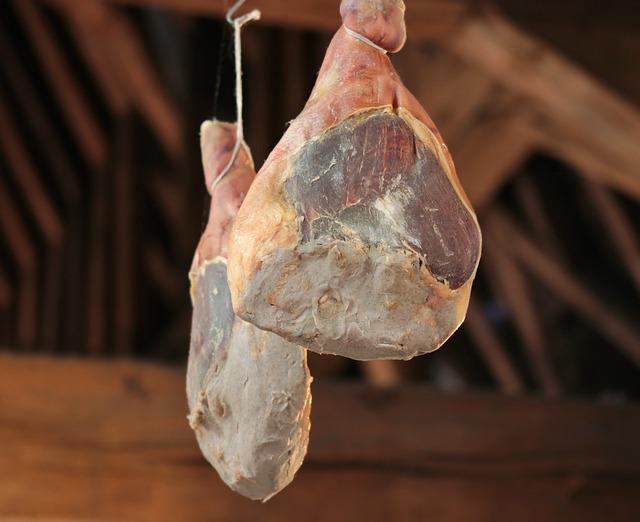
While ham hocks are undeniably flavorful and add a rich depth to dishes, they may not always be the healthiest option due to their high fat content. Fortunately, there are plenty of alternative ingredients you can use to achieve a similar taste without compromising on health. Here are some healthier substitutes:
- Smoked Turkey Legs: These provide a similar smoky flavor to ham hocks without the excessive fat content.
- Vegetarian Bacon: Made from plant-based ingredients, this option can add a smoky and salty flavor to your dishes without the negative health effects of pork.
- Beef or Pork Bones: Slow-cooking beef or pork bones can also add richness and flavor to soups and stews without the need for ham hocks.
By opting for these alternatives, you can still enjoy the delicious taste of dishes traditionally made with ham hocks while making a healthier choice for your body. Experiment with these substitutes and find the ones that work best for your favorite recipes!
Insights and Conclusions
In conclusion, while ham hocks may be a flavorful addition to your dishes, they are not the healthiest option due to their high fat and sodium content. However, they can still be enjoyed in moderation as part of a balanced diet. Remember to pair them with plenty of vegetables and incorporate other lean protein sources into your meals for a well-rounded approach to eating. So go ahead and savor the rich taste of ham hocks, but be mindful of your overall dietary choices for optimal health. Stay informed, and keep cooking with creativity and wellness in mind!
Get our latest guides, news, and insights highlighted in your Google Search & AI Overviews.


