

Is Hamburger Hard to Digest? The Ground Truth About Burgers!
Hey burger lovers! Have you ever wondered why you feel a bit sluggish after indulging in a juicy hamburger? In this article, we’re getting to the bottom of the age-old question: Is hamburger hard to digest? Get ready for the ground truth about burgers and discover how your favorite meal might be affecting your digestion. Let’s dig in!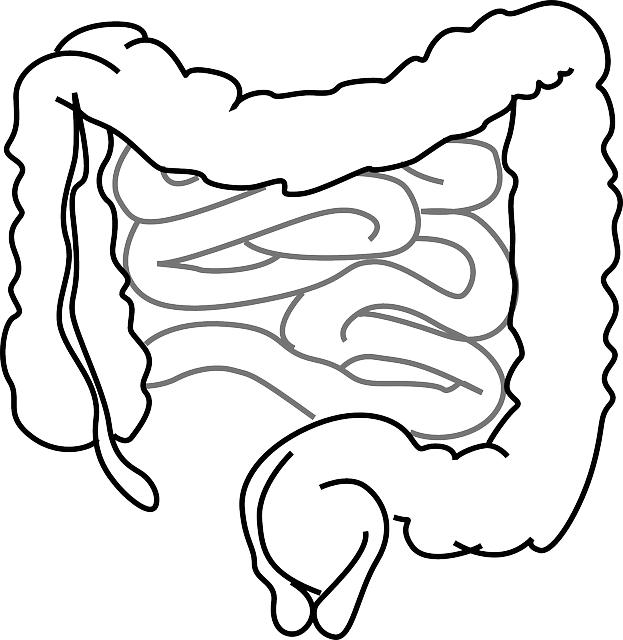
Contents
- Understanding the Digestive Process
- Myths and Realities About Hamburger Digestion
- Factors That Influence Burger Digestibility
- Tips for Better Digesting Your Favorite Burger
- The Role of Cooking Methods in Digestion
- Choosing the Right Burger Ingredients for Easy Digestion
- Balancing Your Burger Meal with Digestive-Friendly Sides
- The Importance of Portion Control for Digestive Health
- Key Takeaways
Understanding the Digestive Process
It’s a common belief that hamburgers are hard to digest due to their high fat content and processed nature. However, the truth is that the digestibility of a hamburger depends on several factors, including the quality of the ingredients, how it’s prepared, and your individual digestive system.
Here are some key points to consider when it comes to of hamburgers:
- Protein Breakdown: The protein in hamburger meat needs to be broken down by enzymes in your stomach before it can be absorbed by your body.
- Fat Content: While hamburgers do contain a high amount of fat, not all fats are created equal. Some fats, like those found in avocado or olive oil, can actually aid digestion.
- Fiber: Hamburgers typically lack fiber, which can slow down digestion. Pairing your burger with a side of veggies or a whole-grain bun can help promote better digestion.

Myths and Realities About Hamburger Digestion
One common myth about hamburger digestion is that they are hard to digest due to their high fat content. While it is true that burgers can be high in fat, the human digestive system is well-equipped to handle it. In fact, the stomach produces digestive enzymes that specifically break down fats, making it easier for the body to process.
Another misconception is that burgers take a long time to digest. In reality, the time it takes for food to move through the digestive tract depends on a variety of factors such as individual metabolism, overall diet, and the specific ingredients in the burger. If you experience discomfort after eating a burger, it may be due to the combination of ingredients rather than the burger itself.
In conclusion, while burgers may not be the healthiest option, they are not as hard to digest as some people may believe. By enjoying them in moderation and listening to your body’s cues, you can still indulge in a tasty burger without worry.

Factors That Influence Burger Digestibility
can vary depending on the type of burger and how it is prepared. Here are some key elements to consider:
Ingredients: The type of meat used in the burger can impact its digestibility. Lean meats like turkey or chicken tend to be easier on the stomach compared to fatty cuts like beef. Additionally, the presence of fillers, spices, and additives can also affect how well the burger is digested.
Cooking method: The way a burger is cooked can influence how easily it is digested. Grilling or broiling burgers is generally a healthier option compared to frying, as frying can add extra fat and grease that may be harder for the body to break down.
Portion size: Overeating can lead to digestive discomfort, no matter how easy the burger may be to digest. Paying attention to portion sizes and listening to your body’s hunger cues can help prevent bloating and indigestion.
In conclusion, while burgers can be a delicious and convenient meal option, being mindful of the ingredients, cooking methods, and portion sizes can help improve their digestibility and overall enjoyment.
Tips for Better Digesting Your Favorite Burger
When it comes to enjoying a juicy burger, there are a few tips and tricks you can keep in mind to help improve digestion and prevent any discomfort. Here are some helpful suggestions:
- Choose high-quality ingredients: Opt for a leaner meat option or consider trying a plant-based burger for easier digestion.
- Go easy on the toppings: While it may be tempting to load up your burger with all the fixings, too many toppings can make digestion more difficult. Stick to a few simple toppings.
- Avoid eating too fast: Take your time to savor each bite and chew your food thoroughly. This can help reduce the risk of indigestion.
By keeping these tips in mind, you can still enjoy your favorite burger without any digestive issues. Remember, moderation is key!

The Role of Cooking Methods in Digestion
When it comes to digestion, the way food is cooked can have a significant impact on how easy or hard it is for our bodies to break down and absorb nutrients. Burgers, a popular fast food choice, can sometimes be hard to digest depending on how they are prepared.
Here are some cooking methods and their effects on digestion:
- Grilling: Grilling burgers can lead to the formation of harmful compounds known as heterocyclic amines (HCAs), which can make it harder for the body to digest the meat.
- Broiling: Broiling burgers can also produce HCAs, although to a lesser extent than grilling.
- Baking: Baking burgers is a healthier option as it does not produce HCAs, making it easier for the body to digest the meat.
| Cooking Method | Digestibility |
|---|---|
| Grilling | Harder to digest due to HCAs |
| Broiling | Somewhat harder to digest due to HCAs |
| Baking | Easier to digest, does not produce HCAs |
So, the next time you’re craving a juicy burger, consider opting for one that has been baked for easier digestion and better overall health.

Choosing the Right Burger Ingredients for Easy Digestion
Whether you’re grabbing a quick burger on the go or making one at home, choosing the right ingredients can make a big difference in how easily your body can digest it. Opting for the right burger components can help prevent that post-meal sluggish feeling and keep your digestive system happy. Here are some tips on :
- **Lean Protein**: Opt for lean meats like turkey, chicken, or lean beef to reduce the fat content in your burger.
- **Fresh Veggies**: Add fresh vegetables like lettuce, tomatoes, and onions for added fiber and nutrients.
- **Whole Wheat Bun**: Choose a whole wheat bun over refined white buns for added fiber and easier digestion.
- **Condiments**: Be mindful of high-fat condiments like mayonnaise and opt for lighter options like mustard or salsa.
- **Portion Size**: Keep portion sizes in check to prevent overloading your system and causing discomfort.
By selecting the right burger ingredients, you can still enjoy a delicious meal without sacrificing your digestive comfort. Pay attention to what goes into your burger, and your stomach will thank you!

Balancing Your Burger Meal with Digestive-Friendly Sides
When indulging in a juicy burger, it’s essential to balance your meal with digestive-friendly sides to ensure a happy tummy. While hamburgers are delicious, they can be hard to digest for some individuals, especially if they are loaded with heavy toppings and sauces. Incorporating sides that are gentle on the stomach can help alleviate any potential digestive issues that may arise.
Here are some suggestions for digestive-friendly sides to pair with your burger:
- Steamed Vegetables: Lightly steamed vegetables like broccoli, carrots, and green beans are easy on the stomach and provide essential nutrients.
- Quinoa Salad: Quinoa is a great source of fiber and protein, making it a nutritious and easy-to-digest side dish.
- Yogurt-based Coleslaw: Instead of traditional coleslaw with heavy mayonnaise, opt for a yogurt-based dressing for a lighter and more digestive-friendly option.
| Side Dish | Digestibility |
|---|---|
| Steamed Vegetables | Easy on the stomach |
| Quinoa Salad | Nutritious and digestible |
| Yogurt-based Coleslaw | Lighter and more digestive-friendly |

The Importance of Portion Control for Digestive Health
One key aspect of maintaining good digestive health is portion control. Eating oversized meals can put a strain on your digestive system, leading to discomfort and potential digestive issues. By paying attention to portion sizes, you can help your body digest food more efficiently and avoid common problems such as bloating, gas, and indigestion.
When it comes to burgers, portion control is especially important. Burgers are a popular meal choice, but they can be heavy and difficult to digest if consumed in large quantities. By sticking to a moderate portion size, you can enjoy the deliciousness of a burger without overwhelming your digestive system. Opting for a smaller burger or splitting a larger one with a friend can help you strike the right balance.
Remember, it’s not just about what you eat but also how much you eat. By practicing portion control and listening to your body’s hunger cues, you can support your digestive health and overall well-being. So next time you’re craving a burger, think about the size of the portion you’re consuming and make a mindful choice for the benefit of your digestive system.
Key Takeaways
Next time you sit down to enjoy a juicy burger, remember that while it may not be the easiest thing for your body to digest, it’s all about balance and moderation. Opting for leaner meats, adding plenty of veggies, and chewing your food thoroughly can all help make the process a bit smoother. And don’t forget to listen to your body – if you find that burgers consistently upset your stomach, it may be time to explore other options. With a little awareness and some simple adjustments, you can still enjoy your favorite burger without feeling weighed down. Happy eating!
Get our latest guides, news, and insights highlighted in your Google Search & AI Overviews.


