

Hibachi: Culinary Delight or Dietary Danger?
Hey there foodies! If you’ve ever been to a hibachi restaurant, you know just how exciting and delicious the experience can be. But have you ever stopped to think about the health implications of those sizzling skewers and teppanyaki tricks? In our latest blog post, we delve into the age-old question: is hibachi a culinary delight or a dietary danger? Grab your chopsticks and join us as we uncover the truth behind this beloved dining experience. Let’s dig in!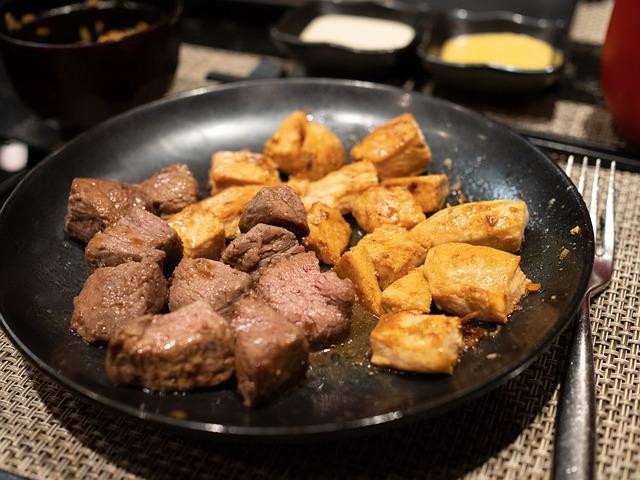
Contents
- Are Hibachi Grills Safe for Your Health?
- Understanding the Nutritional Content of Hibachi Meals
- Tips for Making Healthier Choices at Hibachi Restaurants
- Exploring the Potential Health Benefits of Hibachi Cooking
- Analyzing the Potential Risks of Consuming Hibachi Meals
- How to Manage Portion Sizes at Hibachi Restaurants
- Making Informed Decisions When Dining at a Hibachi Grill
- Maximizing Your Dining Experience at a Hibachi Restaurant
- Future Outlook
Are Hibachi Grills Safe for Your Health?
Are Hibachi grills really safe for your health? While these traditional Japanese grills offer a unique and flavorful dining experience, there are some potential risks to consider. One concern is the high heat used in Hibachi cooking, which can lead to the formation of harmful compounds like polycyclic aromatic hydrocarbons (PAHs) and heterocyclic amines (HCAs) in the food. These compounds have been linked to increased cancer risk when consumed in large quantities.
Another factor to consider is the use of oils and fats in Hibachi cooking, which can add excess calories and unhealthy saturated fats to your meal. Additionally, cross-contamination is a common issue with communal grills, as different foods are often cooked in close proximity to each other. This can increase the risk of foodborne illnesses if proper food safety practices are not followed.
To enjoy the delicious flavors of Hibachi grills while minimizing potential health risks, consider these tips:
- Choose lean protein options like chicken or seafood, and ask for minimal oil or butter in the cooking process.
- Opt for plenty of vegetables to balance out your meal and add fiber and nutrients.
- Be mindful of portion sizes and avoid overindulging in high-calorie or fatty foods.
- Wash your hands and utensils before eating to prevent cross-contamination.
Overall, while Hibachi grills can be a fun and exciting dining experience, it’s important to be aware of potential health risks and take steps to mitigate them for a more balanced and nutritious meal.
Understanding the Nutritional Content of Hibachi Meals
Many people love the experience of dining at a hibachi restaurant, where skilled chefs cook up delicious meals right in front of their eyes. However, while hibachi meals can be a culinary delight, it’s essential to understand the nutritional content of these dishes to make informed choices about what you’re eating.
**Key Nutritional Considerations:**
- Calories: Hibachi meals can be high in calories due to the use of oil, butter, and sauces in cooking.
- Sodium: Soy sauce and other condiments used in hibachi cooking can contribute to high sodium levels in the meal.
- Protein: Hibachi meals are typically high in protein thanks to the grilled meats and seafood.
If you’re looking to enjoy a hibachi meal without overindulging, consider opting for lean protein options like chicken or shrimp, asking for sauces on the side, and loading up on vegetables to round out your plate.
| Meal Component | Calories | Sodium | Protein |
|---|---|---|---|
| Grilled Chicken | 250 | 800mg | 25g |
| Steamed Vegetables | 50 | 200mg | 3g |
| White Rice | 200 | 0mg | 4g |
Tips for Making Healthier Choices at Hibachi Restaurants
When dining at a hibachi restaurant, it can be easy to get carried away with all the delicious options in front of you. However, making healthier choices doesn’t have to mean sacrificing flavor. Here are some tips to help you enjoy a tasty meal while still being mindful of your health:
<ul>

    <li><strong>Choose lean protein:</strong> Opt for grilled chicken, shrimp, or tofu instead of fried meats or dishes cooked in heavy sauces.</li>

    <li><strong>Load up on veggies:</strong> Fill your plate with colorful vegetables like broccoli, zucchini, and mushrooms for added nutrients and fiber.</li>

    <li><strong>Watch your portions:</strong> Hibachi portions tend to be large, so consider sharing a meal or saving half for later to avoid overeating.</li>

</ul>


<p>By making these simple swaps and being mindful of your choices, you can enjoy a satisfying hibachi meal that is both delicious and nutritious.</p>
Exploring the Potential Health Benefits of Hibachi Cooking
When it comes to hibachi cooking, there is a lot of debate surrounding its health benefits. Some argue that the high heat cooking method can destroy nutrients in food, while others believe that the use of fresh ingredients and minimal oil make it a healthy option. Let’s explore the potential health benefits of hibachi cooking:
- Fresh Ingredients: Hibachi cooking typically involves grilling meats, seafood, and vegetables, which are all nutrient-dense foods that can contribute to a healthy diet.
- Minimal Oil: Unlike deep frying, hibachi cooking usually requires minimal oil, making it a lighter option for those watching their fat intake.
- Versatile Flavors: Hibachi cooking often incorporates herbs and spices that not only add delicious flavor but also have potential health benefits, such as anti-inflammatory properties.
| Ingredient | Health Benefit |
|---|---|
| Salmon | Rich in omega-3 fatty acids for heart health |
| Broccoli | Packed with vitamins and antioxidants for overall health |
| Ginger | May help reduce inflammation and nausea |
Analyzing the Potential Risks of Consuming Hibachi Meals
Hibachi meals are a popular dining choice for many, offering a unique and entertaining dining experience. While the sizzling sounds and savory aromas may be enticing, it’s important to consider the potential risks that come with consuming these meals. Here are a few factors to keep in mind:
- High Sodium Content: Hibachi meals often contain high levels of sodium, which can contribute to high blood pressure and other health issues.
- Caloric Intake: The large portions and accompaniments like fried rice and sauces can add up to a significant number of calories, which may lead to weight gain if consumed frequently.
- Possible Cross-Contamination: The communal cooking style of hibachi can pose a risk for individuals with food allergies or sensitivities, as there is a potential for cross-contamination with allergens.
| Health Risks | Potential Effects |
|---|---|
| High Sodium Content | High blood pressure, increased risk of heart disease |
| Caloric Intake | Weight gain, obesity |
| Possible Cross-Contamination | Allergic reactions, food poisoning |

How to Manage Portion Sizes at Hibachi Restaurants
Managing portion sizes at hibachi restaurants can be a challenge, but with a few tips and tricks, you can enjoy your culinary experience without overdoing it. **One way to control portion sizes** is to start by ordering a smaller portion of rice or noodles. While these delicious sides are tasty, they can quickly add up in calories and carbs. Another tip is to **focus on protein** – seafood, chicken, and tofu are all great options that will fill you up without loading you down with excess calories.
Vegetables are another great way to fill up without overeating. Hibachi restaurants often serve a variety of fresh veggies, so load up on these nutrient-packed options to help you feel satisfied without overindulging. Sharing a meal with a friend or family member is also a smart strategy – this allows you to sample a variety of dishes without feeling like you have to finish everything on your plate. Be mindful of sauces and dressings, as these can be hiding extra calories and sugar. By following these tips, you can enjoy the culinary delights of hibachi without falling into the dietary danger zone.
Making Informed Decisions When Dining at a Hibachi Grill
Hibachi grills are a popular dining option for those who enjoy a unique culinary experience. From sizzling meats and seafood to delicious fried rice and grilled vegetables, there is something for everyone at a hibachi grill. However, it’s important to make informed decisions when dining at a hibachi grill to ensure that you are choosing the healthiest options for your dietary needs.
When dining at a hibachi grill, consider the following tips to make healthier choices:
- Opt for grilled proteins like chicken, shrimp, or tofu instead of fried meats.
- Choose steamed or grilled vegetables as a side dish to add fiber and nutrients to your meal.
- Avoid heavy sauces and opt for lighter options like soy sauce or teriyaki sauce in moderation.
| Grilled Protein | Calories (per serving) |
|---|---|
| Chicken | 200 |
| Shrimp | 150 |
| Tofu | 100 |
By , you can enjoy a delicious meal while also staying mindful of your dietary needs. Whether you’re looking for a culinary delight or a healthier option, hibachi grills offer a variety of choices to suit your preferences.
Maximizing Your Dining Experience at a Hibachi Restaurant
When visiting a hibachi restaurant, it’s important to make the most out of your dining experience. One way to do this is by engaging with the chefs as they prepare your meal right in front of you. Not only is this a fun and interactive experience, but it also allows you to customize your meal to your liking.
Another way to maximize your dining experience at a hibachi restaurant is by trying a variety of dishes. From sizzling meats to flavorful veggies and perfectly cooked rice, hibachi restaurants offer a wide range of options to tantalize your taste buds. Be adventurous and explore new flavors to truly appreciate the culinary artistry at play.
Don’t forget to savor every bite and enjoy the showmanship of the chefs as they perform dazzling tricks with their knives and spatulas. Remember, dining at a hibachi restaurant is not just about the food, but also about the overall experience. So sit back, relax, and relish in the delicious delights that await you.
Future Outlook
In conclusion, hibachi dining can be a fun and delicious experience, but it’s important to be mindful of your choices to ensure a healthy and balanced meal. Opt for lean protein, plenty of vegetables, and watch out for hidden sources of added fats and sodium. By following these tips, you can enjoy the culinary delights of hibachi while still sticking to a healthy dietary plan. So next time you’re craving some sizzling hibachi, remember these key takeaways to make the most out of your dining experience. Bon appétit!
Get our latest guides, news, and insights highlighted in your Google Search & AI Overviews.


