

The Hidden Danger: Can a Gas Fireplace Cause Carbon Monoxide?
Gas fireplaces are a cozy addition to any home, providing warmth and ambience with just the flip of a switch. But did you know that they also pose a hidden danger? Carbon monoxide, a colorless, odorless gas, can build up when a gas fireplace is not properly maintained or vented. In this article, we will explore the potential risks of carbon monoxide exposure from gas fireplaces and discuss ways to protect yourself and your loved ones. Let’s delve into the facts and keep your home safe and snug.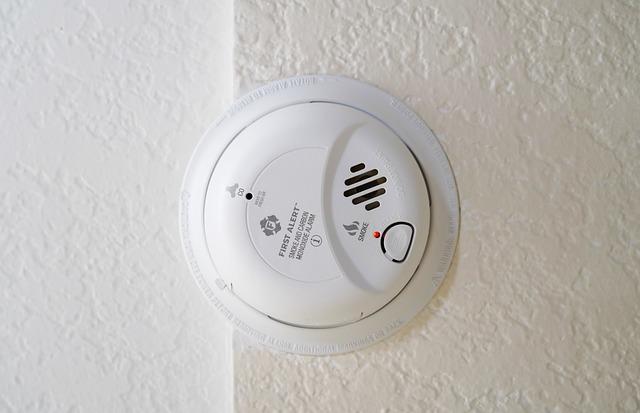
Contents
- What is carbon monoxide and why is it dangerous
- How a gas fireplace can produce carbon monoxide
- Signs of carbon monoxide poisoning and how to prevent it
- Proper maintenance and ventilation for gas fireplaces
- The importance of carbon monoxide detectors in your home
- When to call a professional for gas fireplace inspection
- Common myths and misconceptions about gas fireplaces and carbon monoxide
- The benefits of electric fireplaces as an alternative to gas for safety
- To Conclude
What is carbon monoxide and why is it dangerous
Carbon monoxide is a colorless, odorless gas that is produced by burning fuel such as gas, oil, wood, or coal. It is often dubbed as the “silent killer” because it is impossible to detect without a carbon monoxide detector. When inhaled, carbon monoxide replaces oxygen in the bloodstream, leading to symptoms such as headaches, dizziness, nausea, confusion, and even death.
One major source of carbon monoxide in homes is gas fireplaces. While gas fireplaces are a popular choice for many homeowners due to their convenience and aesthetic appeal, they can be a potential source of carbon monoxide if not properly maintained. Factors such as a malfunctioning or poorly vented fireplace, blocked flue, or inadequate combustion air can increase the risk of carbon monoxide poisoning.
To prevent carbon monoxide exposure from gas fireplaces, it is crucial to have them inspected and serviced regularly by a qualified professional. Installing a carbon monoxide detector in your home can also provide an extra layer of protection and peace of mind for you and your family.
How a gas fireplace can produce carbon monoxide
Gas fireplaces are a popular choice for homeowners looking to add warmth and ambiance to their living spaces. However, many people are unaware of the potential danger posed by these appliances: the production of carbon monoxide. Carbon monoxide is a colorless, odorless gas that can be deadly if inhaled in large quantities. Here are some ways in which a gas fireplace can produce carbon monoxide:
- Improper installation of the fireplace can lead to inadequate ventilation, resulting in the buildup of carbon monoxide indoors.
- If the fireplace is not regularly maintained, the burners and vents can become clogged, causing incomplete combustion and the release of carbon monoxide.
- Cracks or leaks in the fireplace can allow carbon monoxide to seep into the home, putting occupants at risk.
It’s important for homeowners to be vigilant about the safety of their gas fireplaces and have them inspected regularly by a qualified professional. Installing a carbon monoxide detector in the same room as the fireplace can also provide an added layer of protection against this hidden danger.
Signs of carbon monoxide poisoning and how to prevent it
Carbon monoxide poisoning is a serious threat that can occur in any home with gas appliances, including gas fireplaces. The colorless and odorless gas can be deadly if not detected early, so it’s important to be aware of the .
Signs of carbon monoxide poisoning:
- Headaches
- Dizziness
- Nausea
- Confusion
- Weakness
Preventing carbon monoxide poisoning:
- Install a carbon monoxide detector near gas appliances
- Have gas appliances regularly inspected by a professional
- Avoid using gas appliances in poorly ventilated areas
- Never leave a gas fireplace burning overnight

Proper maintenance and ventilation for gas fireplaces
Gas fireplaces are a popular choice for homeowners looking to add warmth and ambiance to their living spaces. However, it’s important to be aware of the potential dangers associated with these appliances. One of the hidden dangers of gas fireplaces is the risk of carbon monoxide poisoning. Carbon monoxide is a colorless, odorless gas that can be harmful or even deadly if inhaled in high concentrations. Proper maintenance and ventilation are key to preventing carbon monoxide buildup in your home.
To ensure the safety of your household, follow these tips for maintaining and ventilating your gas fireplace:
- Clean the fireplace regularly: Remove any debris or buildup in and around the fireplace to prevent blockages that could lead to carbon monoxide leaks.
- Inspect the chimney and vents: Make sure the chimney and vents are clear of obstructions and in good working condition to allow for proper ventilation.
- Install a carbon monoxide detector: This device can alert you to dangerous levels of carbon monoxide in your home, providing an added layer of protection for your family.
By taking the necessary precautions and staying proactive about maintenance, you can enjoy the warmth and beauty of your gas fireplace without worrying about the hidden dangers lurking within.
The importance of carbon monoxide detectors in your home
Carbon monoxide is a silent killer that can be lurking in your home without you even knowing it. One of the potential sources of carbon monoxide in your home is a gas fireplace. While gas fireplaces are a popular choice for heating and ambiance, they can also pose a danger if not properly maintained and monitored.
Having a carbon monoxide detector in your home is crucial for keeping your family safe from this odorless and colorless gas. These detectors can alert you to dangerous levels of carbon monoxide in your home, giving you valuable time to evacuate and seek help. It’s important to place detectors in key areas of your home, such as near bedrooms and common living spaces, to ensure maximum protection.
Regular maintenance of your gas fireplace by a professional is also essential in preventing carbon monoxide leaks. By having your fireplace inspected and cleaned annually, you can catch any potential issues before they become a threat to your home and loved ones.
When to call a professional for gas fireplace inspection
In order to ensure the safety of your home and family, it is important to know when to call a professional for a gas fireplace inspection. While gas fireplaces are a convenient and efficient way to heat your home, they can also pose a hidden danger: carbon monoxide. Carbon monoxide is a colorless, odorless gas that is released during the combustion process of natural gas, and prolonged exposure can be extremely dangerous.
Here are some signs that indicate it’s time to call a professional for a gas fireplace inspection:
- Strange odors coming from the fireplace
- Difficulty in lighting the fireplace
- Soot or rust buildup inside the fireplace
- Uneven or yellow flames
By scheduling regular inspections with a qualified professional, you can ensure that your gas fireplace is functioning properly and safely, and avoid the risk of carbon monoxide poisoning.
Common myths and misconceptions about gas fireplaces and carbon monoxide
Gas fireplaces are a popular choice for homeowners looking to add warmth and ambiance to their living spaces. However, there are several common myths and misconceptions surrounding gas fireplaces and the potential for carbon monoxide exposure. It’s important to separate fact from fiction to ensure the safety of your home and your family.
One common myth is that gas fireplaces don’t produce carbon monoxide. In reality, gas fireplaces can indeed produce carbon monoxide, especially if not properly maintained or if there is a problem with the ventilation system. Another misconception is that carbon monoxide is only a concern with older gas fireplaces. The truth is that even newer models can emit carbon monoxide if not properly installed or serviced.
It’s crucial to have your gas fireplace inspected and serviced regularly to ensure safe operation. Installing carbon monoxide detectors in your home is also a smart precaution to alert you to any potential leaks. By staying informed and taking proper precautions, you can enjoy the comfort of your gas fireplace while keeping your home safe from the hidden danger of carbon monoxide.
The benefits of electric fireplaces as an alternative to gas for safety
Electric fireplaces are becoming increasingly popular as a safer alternative to traditional gas fireplaces. One of the main concerns with gas fireplaces is the potential for carbon monoxide leaks, which can be extremely dangerous and even fatal. Electric fireplaces eliminate this risk entirely, as they do not produce any harmful emissions or fumes. This makes them a great option for families with young children or pets, as well as individuals with respiratory issues.
In addition to being safer for your health, electric fireplaces also offer other benefits over gas fireplaces. They are more energy efficient, as they do not require a chimney or venting system, which can lead to heat loss. Electric fireplaces are also easier to install and maintain, as they simply need to be plugged into a standard outlet. They can be used in any room of the house, without the need for gas lines or special ventilation. Overall, electric fireplaces provide a convenient and safe heating option for your home.
To Conclude
In conclusion, while gas fireplaces can provide warmth and ambiance to your home, it is essential to be aware of the potential dangers they can pose. Carbon monoxide poisoning is a serious threat that can be caused by a malfunctioning gas fireplace. It is crucial to have your fireplace regularly inspected and maintained by a professional to ensure it is operating safely. Additionally, installing carbon monoxide detectors in your home can provide an added layer of protection for you and your loved ones. Remember, safety always comes first when it comes to enjoying the comfort of a gas fireplace. Stay informed, stay vigilant, and stay safe.


