

Peanut Butter: The Versatile Spread or Condiment Conundrum
Peanut butter: the creamy, nutty goodness that we all know and love. Whether you spread it on toast, mix it in a smoothie, or dip your veggies in it, there’s no denying the versatility of this beloved condiment. But with so many options on the market, from natural to flavored to organic, finding the perfect peanut butter can be a daunting task. Join us as we explore the world of peanut butter and unravel the spread or condiment conundrum once and for all.
Contents
- Peanut Butter: A Brief History and Origins
- Nutritional Benefits of Peanut Butter
- How to Choose the Best Peanut Butter
- Peanut Butter: The Versatile Spread or Condiment Conundrum
- Peanut Butter Pairings: Perfect Combinations
- Peanut Butter: The Versatile Spread or Condiment Conundrum
- Tips for Making Your Own Homemade Peanut Butter
- The Sustainability of Peanut Butter Production
- Future Outlook
Peanut Butter: A Brief History and Origins
Brief History and Origins
Peanut butter, the beloved spread that has found its way into pantries and lunchboxes around the world, has a rich history dating back thousands of years. While the exact origins of peanut butter are not entirely clear, evidence suggests that the Aztecs and Incas in South America were the first to grind peanuts into a paste-like consistency. This paste was not quite the smooth, creamy peanut butter we know today, but it laid the foundation for the delectable treat.
Over time, peanuts made their way to North America via African slaves, who brought their knowledge of peanut cultivation and preparation with them. It wasn’t until the late 19th century that the first patent for peanut butter was issued to Marcellus Gilmore Edson in Canada in 1884. From there, peanut butter gained popularity and underwent various innovations to become the silky, smooth spread we enjoy today.
Today, peanut butter is not only a staple in households but also a versatile ingredient in countless recipes, from classic PB&J sandwiches to decadent peanut butter cookies. Its creamy texture and nutty flavor make it a favorite among both kids and adults alike.

Nutritional Benefits of Peanut Butter
Peanut butter is not just a delicious spread for your morning toast or a perfect pairing for your jelly sandwich. This versatile condiment is packed with nutritional benefits that make it a must-have in any pantry.
Protein Powerhouse:
One of the most remarkable benefits of peanut butter is its high protein content. Just two tablespoons of this creamy spread can provide you with a good source of protein, making it an excellent option for vegetarians and vegans looking to meet their protein needs.
Healthy Fats:
While peanut butter is high in calories, the majority of these calories come from healthy fats that are essential for overall health. These fats can help reduce the risk of heart disease and lower bad cholesterol levels.
Rich in Essential Nutrients:
Aside from protein and healthy fats, peanut butter also contains essential nutrients such as vitamin E, magnesium, and potassium. These nutrients play a crucial role in supporting various bodily functions and promoting overall well-being.

How to Choose the Best Peanut Butter
Peanut Butter: The Versatile Spread or Condiment Conundrum
Texture:
When choosing the best peanut butter, consider the texture that suits your preference. Whether you like it smooth and creamy or chunky with bits of peanuts, there’s a peanut butter out there for you. Some brands even offer a variety of textures to cater to different tastes.
Ingredients:
Take a look at the ingredients list before making your decision. Opt for peanut butter with minimal additives and preservatives. Look for options that contain just peanuts and maybe a pinch of salt, avoiding added sugars and hydrogenated oils for a healthier choice.
Brands:
Experiment with different brands to find your favorite. Some people swear by well-known brands like Jif or Skippy, while others prefer smaller, artisanal brands for a more authentic taste. Don’t be afraid to taste test a few to see which one wins you over!
Peanut Butter Pairings: Perfect Combinations
Peanut Butter: The Versatile Spread or Condiment Conundrum
When it comes to peanut butter, the options for pairings are endless. This creamy and nutty spread is not only delicious on its own but also pairs perfectly with a variety of other flavors, making it a versatile ingredient for both sweet and savory dishes. From classic combinations like peanut butter and jelly to more unique pairings like peanut butter and bacon, the possibilities are truly endless.
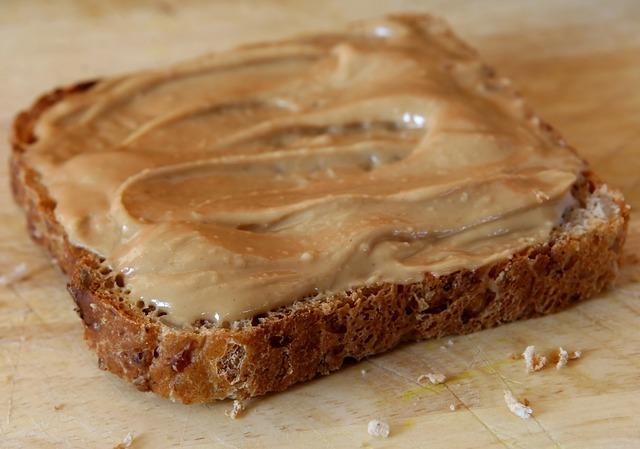
One of the most popular pairings for peanut butter is with chocolate. The rich and decadent flavor of chocolate complements the nutty taste of peanut butter perfectly, creating a match made in dessert heaven. Whether it’s in the form of a peanut butter cup, a chocolate peanut butter cake, or even just a simple drizzle of chocolate over a scoop of creamy peanut butter, this combination is sure to satisfy any sweet tooth.
For a savory twist, try pairing peanut butter with spicy flavors like sriracha or curry. The creaminess of the peanut butter helps to balance out the heat of the spices, creating a deliciously complex flavor profile. Whether spread on toast with a drizzle of sriracha, mixed into a spicy peanut sauce for noodles, or used as a dipping sauce for chicken satay, this unique pairing is sure to impress your taste buds.
Tips for Making Your Own Homemade Peanut Butter
Making your own homemade peanut butter is not only a fun and rewarding experience, but it also allows you to control the ingredients and customize the flavor to your liking. With just a few simple steps, you can create a delicious spread that is perfect for sandwiches, toast, smoothies, and more.
Here are some tips to help you on your homemade peanut butter journey:
- Choose the right peanuts: Opt for high-quality, fresh peanuts for the best flavor and texture.
- Roast the peanuts: Roasting the peanuts before blending will enhance their natural oils and deepen the flavor of the peanut butter.
- Add-ons: Get creative with add-ins like honey, sea salt, cinnamon, or even chocolate chips for a unique twist on traditional peanut butter.

The Sustainability of Peanut Butter Production
Peanut butter is a beloved staple in many households, known for its creamy texture and rich, nutty flavor. However, is a topic that often goes unnoticed. The environmental impact of growing peanuts, the water usage in processing, and the packaging waste all contribute to the sustainability challenges of this popular spread.
One of the main concerns is the amount of water required to grow peanuts. It takes approximately 4 gallons of water to produce just 1 ounce of peanuts. With the growing demand for peanut butter worldwide, this water usage can strain local water resources and exacerbate water scarcity in peanut-producing regions.
Furthermore, the packaging of peanut butter can also pose sustainability challenges. Many peanut butter jars are made from plastic, which takes hundreds of years to decompose. Finding alternatives such as glass jars or compostable packaging can help reduce the environmental impact of peanut butter production.
Future Outlook
And there you have it, folks! Peanut butter is truly a versatile spread that can be enjoyed in so many different ways. Whether you prefer it smooth, chunky, or even flavored, there’s no denying that this condiment has a special place in many people’s hearts (and stomachs).
So next time you reach for that jar of peanut butter, remember all the delicious possibilities that await you. From classic PB&J sandwiches to savory peanut sauce for noodles, the options are endless. Experiment, get creative, and make the most of this amazing spread!
After all, peanut butter is not just a condiment – it’s a way of life. So embrace its versatility and enjoy every creamy, nutty bite. Until next time, happy spreading!


