

Is Provolone Cheese Bad for You? The Nutritional Facts
Hey cheese lovers! Are you a big fan of provolone cheese but wondering if it’s actually good for your health? Well, fear not! In this article, we’re going to dive into the nutritional facts of provolone cheese to determine whether it’s a healthy choice or not. Get ready to make an informed decision about including this delicious cheese in your diet. Let’s get started!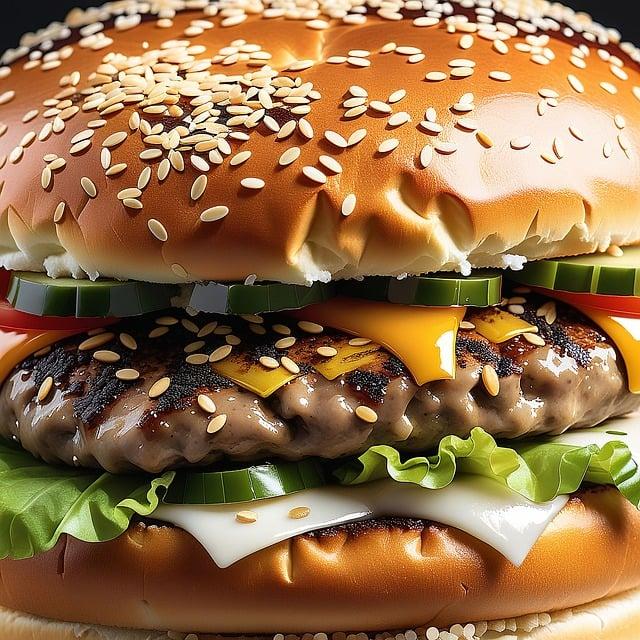
Contents
- Is Provolone Cheese Healthy or Unhealthy?
- Nutritional Content of Provolone Cheese
- Calorie and Fat Content in Provolone Cheese
- Provolone Cheese: Good Source of Protein and Calcium
- Sodium Levels in Provolone Cheese
- How to Incorporate Provolone Cheese into a Balanced Diet
- Provolone Cheese Substitutions for Health-Conscious Individuals
- Expert Recommendations on Consuming Provolone Cheese
- Conclusion: Making Informed Choices About Provolone Cheese
- Key Takeaways
Is Provolone Cheese Healthy or Unhealthy?
When it comes to the debate on whether Provolone cheese is healthy or unhealthy, it all boils down to moderation and understanding the nutritional facts. While Provolone cheese is delicious and adds a rich flavor to many dishes, it is important to be mindful of how much you consume.
Provolone cheese is a good source of calcium, protein, and phosphorus, which are essential for bone health and muscle function. However, it is also high in saturated fat and sodium, which can be detrimental to your heart health if consumed in excess. Here are some key nutritional facts about Provolone cheese:
- One slice of Provolone cheese (28g) contains approximately 100 calories.
- It has around 7g of protein, which can help keep you feeling full and satisfied.
- Provolone cheese is high in calcium, with about 20% of the recommended daily intake per serving.
Nutritional Content of Provolone Cheese
Provolone cheese is a delicious and versatile cheese that is often used in sandwiches, pasta dishes, and as a snack. But is provolone cheese bad for you? Let’s take a look at the nutritional facts to find out.
| Nutrient | Amount per 100g |
|---|---|
| Calories | 352 |
| Protein | 25g |
| Fat | 27g |
| Carbohydrates | 2g |
While provolone cheese is high in calories and fat, it is also a good source of protein. It contains essential nutrients such as calcium, vitamin A, and phosphorus. However, like all cheeses, it should be consumed in moderation as part of a balanced diet.
Calorie and Fat Content in Provolone Cheese
Provolone cheese is a popular choice for many dishes, from sandwiches to pasta to appetizers. However, when it comes to its calorie and fat content, it’s important to be aware of what you’re consuming.
One ounce of provolone cheese contains approximately 100 calories and 8 grams of fat. While it is relatively high in calories and fat, it also packs a good amount of protein and calcium. So, if consumed in moderation, provolone cheese can be a part of a healthy diet.
| Nutrient | Amount per ounce |
|---|---|
| Calories | 100 |
| Fat | 8g |
| Protein | 7g |
| Calcium | 20% DV |
Provolone Cheese: Good Source of Protein and Calcium
Provolone cheese is often enjoyed for its delicious taste and creamy texture, but did you know that it is also a good source of protein and calcium? This versatile cheese can be a healthy addition to your diet when consumed in moderation.
One ounce of provolone cheese contains about 7 grams of protein, making it a satisfying snack or ingredient to add to your meals. Protein is essential for building and repairing tissues in the body, making provolone cheese a great option for those looking to increase their protein intake.
Additionally, provolone cheese is also a good source of calcium, with one ounce providing about 20% of the daily recommended intake. Calcium is important for maintaining strong bones and teeth, as well as supporting muscle function and nerve signaling.
Sodium Levels in Provolone Cheese
When it comes to the , it’s important to be mindful of your intake. While Provolone is a delicious and versatile cheese, it does contain a moderate amount of sodium.
Per serving size of 1 ounce (28g), Provolone cheese typically contains about 178mg of sodium. This means that if you consume a larger portion or use Provolone frequently in your meals, the sodium content can add up quickly.
For individuals who are watching their sodium intake, it’s recommended to enjoy Provolone cheese in moderation and opt for low-sodium options when available. Balancing your sodium intake with other nutrient-rich foods can help you enjoy Provolone cheese as part of a healthy diet.
How to Incorporate Provolone Cheese into a Balanced Diet
When it comes to incorporating Provolone cheese into a balanced diet, it’s essential to look at the nutritional facts to determine if it’s a good fit for you. Provolone cheese is a delicious and versatile option that can be enjoyed in a variety of ways, but it’s important to consume it in moderation.
Provolone cheese is known for its rich and creamy flavor, which makes it a popular choice for sandwiches, salads, and pasta dishes. While it does contain saturated fat and sodium, it also provides essential nutrients like protein and calcium. When consumed in moderation as part of a balanced diet, Provolone cheese can be a tasty and nutritious addition.
- Provolone cheese is a good source of protein, which is important for muscle growth and repair.
- It also contains calcium, which is essential for strong bones and teeth.
- When choosing Provolone cheese, opt for low-fat or reduced-sodium varieties to keep the overall nutritional content in check.
Provolone Cheese Substitutions for Health-Conscious Individuals
When it comes to making healthier choices in your diet, it’s important to be mindful of the ingredients you use, including the type of cheese you consume. Provolone cheese is a delicious addition to many dishes, but for health-conscious individuals, it’s essential to consider the nutritional facts.
While Provolone cheese can be a tasty addition to sandwiches, burgers, and salads, it is important to note that it is higher in saturated fat and sodium compared to other cheese options. If you are looking to make a healthier substitution for Provolone cheese, consider these alternatives:
- Swiss cheese: Lower in saturated fat and sodium compared to Provolone cheese, Swiss cheese is a great alternative that still offers a rich and creamy flavor.
- Mozzarella cheese: With lower fat and sodium content, Mozzarella cheese is a lighter option that can still add a gooey and melty texture to your dishes.
- Feta cheese: While higher in sodium, Feta cheese is lower in saturated fat and calories, making it a flavorful choice for salads and Mediterranean dishes.

Expert Recommendations on Consuming Provolone Cheese
When it comes to consuming provolone cheese, experts recommend moderation as part of a balanced diet. Provolone cheese is a delicious and versatile option that can be enjoyed in a variety of dishes, but it is important to be mindful of portion sizes due to its high fat and sodium content.
Here are some expert recommendations for consuming provolone cheese:
- Choose low-fat or part-skim provolone cheese to reduce saturated fat intake.
- Pair provolone cheese with fruits, veggies, whole grain bread, or lean proteins for a well-rounded meal.
- Avoid overindulging in provolone cheese to keep sodium intake in check and maintain overall health.
| Calories | 110 |
|---|---|
| Total Fat | 9g |
| Saturated Fat | 5g |
| Cholesterol | 25mg |
| Sodium | 200mg |
Conclusion: Making Informed Choices About Provolone Cheese
In conclusion, when it comes to making informed choices about Provolone cheese, it’s important to consider the nutritional facts. While Provolone cheese can be a delicious addition to many dishes, it’s essential to be aware of its nutritional content to make sure you’re consuming it in moderation and as part of a balanced diet.
One key consideration is the high amount of saturated fat in Provolone cheese. Saturated fats can raise your cholesterol levels, which can increase your risk of heart disease. While it’s okay to enjoy Provolone cheese occasionally, try to limit your intake and opt for lower-fat cheese options more often.
Additionally, Provolone cheese is a good source of calcium and protein, which are important nutrients for bone health and muscle function. When enjoying Provolone cheese, be mindful of serving sizes and try to pair it with other nutritious foods to create a well-rounded meal. Overall, making informed choices about Provolone cheese means understanding its nutritional benefits and limitations to enjoy it in a healthy and balanced way.
Key Takeaways
So, is Provolone cheese bad for you? The answer really depends on your individual health goals and dietary preferences. While Provolone cheese does have some saturated fat and sodium, it also offers important nutrients like calcium and protein.
When enjoyed in moderation as part of a balanced diet, Provolone cheese can be a tasty and satisfying addition to your meals. Remember, it’s all about finding the balance that works best for you and your health.
So go ahead, sprinkle some Provolone cheese on your next salad or melt it on a sandwich – just be mindful of your portions and overall intake. As with any food, moderation is key. Cheers to delicious and nutritious eating!


