

Is Melted Cheese Bad for You? The Nutritional Facts
Are you a cheese lover who can’t resist that gooey, melted goodness? Before you indulge in your next cheesy craving, you may want to know the nutritional facts behind melted cheese. In this article, we’ll explore whether melted cheese is bad for you, and what you need to know to make informed choices about your cheesy treats. So grab a snack, sit back, and let’s dive into the delicious world of cheese!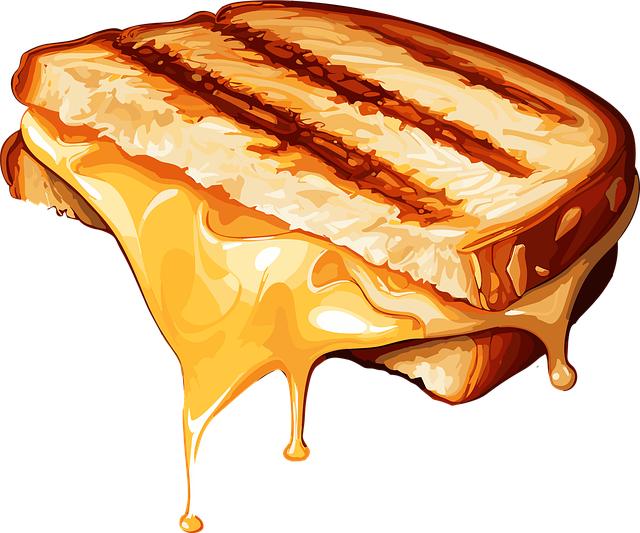
Contents
- Is Melted Cheese Nutritious or Harmful?
- Calories and Fat Content in Melted Cheese
- Cholesterol and Sodium Levels in Melted Cheese
- Protein and Calcium Benefits of Melted Cheese
- Choosing Healthier Varieties of Melted Cheese
- Serving Sizes and Moderation with Melted Cheese
- Tips for Incorporating Melted Cheese into a Balanced Diet
- Conclusion: Enjoying Melted Cheese in a Healthy Way
- Future Outlook
Is Melted Cheese Nutritious or Harmful?
When it comes to the debate over whether melted cheese is nutritious or harmful, there are a few key factors to consider. While cheese is a good source of protein and calcium, it also contains high levels of saturated fat and sodium. The process of melting cheese can further alter its nutritional profile and affect its impact on your health.
Here is a breakdown of the nutritional facts of melted cheese to help you make an informed decision:
- Protein: Cheese is a good source of protein, which is essential for muscle growth and repair.
- Calcium: Cheese is also high in calcium, important for bone health and preventing osteoporosis.
- Saturated Fat: Melted cheese can be high in saturated fat, which can increase your risk of heart disease if consumed in excess.
- Sodium: Cheese, especially processed varieties, can be high in sodium, which can contribute to high blood pressure and other health issues.
Calories and Fat Content in Melted Cheese
When it comes to indulging in a gooey, melted cheese dish, many people are concerned about the calorie and fat content. While melted cheese can be delicious, it’s important to be mindful of your intake to maintain a healthy diet. Let’s take a closer look at the nutritional facts of melted cheese:
Calories: Melted cheese is high in calories, with an average of 100-120 calories per ounce. This can add up quickly, especially if you’re piling it on top of other high-calorie foods like burgers or nachos.
Fat Content: Melted cheese is also high in fat, particularly saturated fat. Saturated fat can raise cholesterol levels and increase the risk of heart disease. It’s important to enjoy melted cheese in moderation and opt for lower-fat options when possible.
Cholesterol and Sodium Levels in Melted Cheese
Melted cheese is a popular topping for many dishes, but have you ever wondered about its nutritional content? Let’s take a closer look at the to determine if it’s bad for you.
Cholesterol Levels:
- Melted cheese, like other dairy products, contains cholesterol.
- Consuming too much cholesterol can increase your risk of heart disease.
- It is recommended to limit your intake of high-cholesterol foods, including melted cheese.
Sodium Levels:
- Melted cheese can be high in sodium, which is linked to high blood pressure.
- Excess sodium intake can also increase your risk of stroke and heart disease.
- It’s important to be mindful of your sodium intake when consuming melted cheese.

Protein and Calcium Benefits of Melted Cheese
When it comes to melted cheese, many people wonder if it’s bad for their health. The truth is, melted cheese can actually provide some nutritional benefits, particularly when it comes to protein and calcium.
Protein is an essential nutrient that is important for building and repairing tissues in the body. Melted cheese is a good source of protein, making it a great addition to meals for those looking to increase their protein intake. Additionally, melted cheese is also a good source of calcium, which is vital for maintaining strong bones and teeth.
- Melted cheese is a good source of protein
- Melted cheese is a good source of calcium
Choosing Healthier Varieties of Melted Cheese
When it comes to enjoying melted cheese, it’s important to consider the nutritional content of the cheese you are using. Opting for healthier varieties of melted cheese can make a big difference in the overall healthiness of your dish. Here are some tips for choosing healthier options:
- Look for cheeses that are low in saturated fats, such as mozzarella or Swiss cheese.
- Choose cheeses that are made from skim or part-skim milk, as they will be lower in fat.
- Consider using plant-based cheese alternatives, such as almond or cashew cheese, for a dairy-free option.
By making these simple swaps, you can enjoy the delicious taste of melted cheese without compromising your health. Remember, moderation is key when it comes to indulging in rich and creamy cheeses!
Serving Sizes and Moderation with Melted Cheese
When it comes to enjoying melted cheese, moderation is key. While melted cheese can be a delicious addition to many dishes, it’s important to be mindful of serving sizes to ensure you’re not overindulging.
Not all melted cheese is created equal in terms of nutrition. Some cheeses are higher in saturated fat and calories than others. Opting for lower-fat cheese options or moderating your portion sizes can help you enjoy melted cheese while still maintaining a balanced diet.
Below is a table outlining the nutritional facts of popular melted cheese options:
| Cheese Type | Calories per 1 oz | Total Fat (g) | Saturated Fat (g) |
|---|---|---|---|
| Cheddar | 113 | 9 | 6 |
| Mozzarella | 85 | 6 | 4 |
| Swiss | 106 | 8 | 5 |

Tips for Incorporating Melted Cheese into a Balanced Diet
When it comes to incorporating melted cheese into a balanced diet, it’s important to understand the nutritional facts to make informed choices. While cheese is a good source of calcium and protein, it is also high in saturated fat and calories. However, moderation is key when enjoying melted cheese to achieve a balanced diet.
Here are some :
- Choose low-fat or reduced-fat cheese options to lower saturated fat intake.
- Pair melted cheese with nutrient-dense foods like vegetables or whole grain bread for added fiber and vitamins.
- Avoid excessive toppings like bacon or extra sauces to keep the calorie count in check.
By being mindful of portion sizes and selecting healthier cheese options, you can enjoy melted cheese as part of a balanced diet without going overboard on saturated fat and calories.

Conclusion: Enjoying Melted Cheese in a Healthy Way
In conclusion, enjoying melted cheese can be a delicious and satisfying experience when done in a healthy way. By being mindful of portion sizes and choosing quality, lower-fat cheeses, you can indulge in this comfort food without guilt. Incorporating melted cheese into balanced meals, like topping a salad or adding a small amount to whole grain pasta, can add flavor and creaminess without going overboard on calories or saturated fat.
Remember, moderation is key when it comes to enjoying melted cheese. Pairing it with nutrient-rich foods like vegetables, whole grains, and lean proteins can help create a well-rounded and satisfying meal. Additionally, experimenting with different types of cheeses, such as feta, mozzarella, and goat cheese, can add variety to your dishes while still providing that cheesy goodness you crave. So go ahead and enjoy melted cheese in a healthy way, knowing that you can indulge without compromising your overall health and wellness.
Future Outlook
So there you have it, folks! Melted cheese can be a delicious addition to your meal, but it’s important to be mindful of how much you’re consuming. While it may not be the healthiest option due to its high calorie and fat content, enjoying it in moderation can still be a tasty treat. Remember to balance your diet with plenty of fruits, vegetables, and lean proteins to ensure that you’re getting all the nutrients your body needs. Thanks for tuning in to learn about the nutritional facts of melted cheese, and happy eating!


