

Is Mayonnaise Considered a Condiment? The Eggy Enigma Emulsified!
Hey there, foodies and condiment connoisseurs! Today, we’re diving into the eggy enigma that is mayonnaise. Is it truly a condiment, or does it deserve a category all its own? Join us as we explore this creamy, tangy spread and uncover the truth behind its emulsified origins. Let’s settle the debate once and for all – is mayonnaise considered a condiment?
Contents
Is Mayonnaise Really a Condiment?
Mayonnaise has long been a staple in kitchens around the world, loved by many for its creamy texture and tangy flavor. But is it really a condiment? The answer may surprise you!
While some may argue that mayonnaise is more of a spread or a dressing than a condiment, it actually fits the definition quite well. According to Merriam-Webster, a condiment is “something used to enhance the flavor of food.” And that is exactly what mayonnaise does!
Whether you’re using it as a dip for fries, a topping for sandwiches, or a base for salad dressings, mayonnaise plays a crucial role in adding flavor and moisture to a variety of dishes. So next time you reach for the jar of mayo, remember that it’s not just a condiment – it’s a versatile ingredient that deserves a spot in your pantry!

The Science Behind Mayonnaise as a Condiment
Mayonnaise, a creamy and tangy condiment loved by many, is often a staple in sandwiches, salads, and dips. But what exactly is mayonnaise, and why is it considered a condiment?
At its core, mayonnaise is an emulsion of oil, eggs, vinegar or lemon juice, and seasonings. The key to mayonnaise’s creamy texture lies in the process of emulsification, where the oil and water-based ingredients are combined into a stable mixture. This emulsification process is what gives mayonnaise its smooth and velvety consistency.
So, next time you reach for a dollop of mayonnaise to elevate your dish, remember the science behind this versatile condiment. Whether you’re using it as a spread, a dressing, or a dip, mayonnaise’s eggy enigma adds a delicious richness to any meal.

Tips for Making the Perfect Homemade Mayonnaise
When it comes to making the perfect homemade mayonnaise, there are a few key tips to keep in mind to ensure success. One of the most important factors to consider is the temperature of your ingredients. Make sure that your egg yolks and oil are at room temperature before you begin the emulsification process.
Another crucial tip is to add the oil slowly to the egg yolks while continuously whisking. This helps create a stable emulsion and prevents the mayonnaise from breaking. Additionally, adding a small amount of Dijon mustard can help with emulsification and add flavor to your mayonnaise.
Lastly, season your homemade mayonnaise with salt and a squeeze of lemon juice to brighten up the flavors. With these tips in mind, you’ll be on your way to creating a creamy and flavorful homemade mayonnaise that rivals any store-bought version.
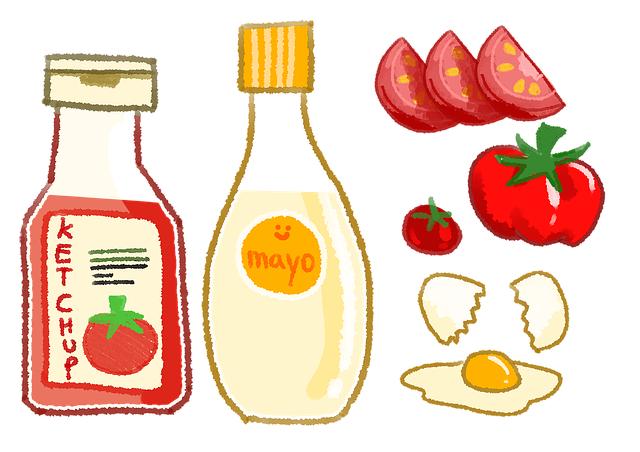
Mayonnaise: A Must-Have Condiment or a Controversial Spread?
Some may argue that mayonnaise is the ultimate condiment, a versatile spread that enhances the flavor of sandwiches, salads, and dips. Others, however, view mayonnaise as a controversial spread due to its high fat content and use of raw eggs. The debate over whether mayonnaise is considered a condiment continues to stir up passionate discussions among food enthusiasts.
Despite its creamy texture and tangy flavor, mayonnaise is not universally accepted as a condiment. Some people prefer alternative spreads like mustard or ketchup, while others swear by mayonnaise’s ability to elevate the taste of their favorite dishes. The eggy enigma of mayonnaise lies in its unique combination of ingredients, including egg yolks, oil, vinegar, and seasonings.
- Mayonnaise is commonly used as a base for salad dressings and dips.
- Some mayonnaise brands offer low-fat or vegan options for health-conscious consumers.
To Conclude
In conclusion, we have unravelled the eggy enigma of mayonnaise and its status as a condiment. Despite its creamy texture and ability to enhance flavors, mayonnaise may not fit neatly into the traditional condiment category for some. However, its versatility and popularity in culinary creations cannot be denied. Whether you classify it as a condiment or not, one thing remains clear – mayonnaise adds a delicious richness to dishes that keeps us coming back for more. So next time you reach for the jar of mayo, ponder its condiment conundrum and enjoy every flavorful dollop!


