

Is Condiments Considered Food? The Flavorful Foodie Debate!
Hey foodies! Have you ever stopped to ponder the age-old question: are condiments considered food? Can a dollop of ketchup or a swipe of mustard stand on its own as a meal, or are they merely accessories to deck out our dishes? Join us as we dive into the flavorful debate and explore the delicious world of condiments. Let’s settle the score once and for all – are condiments truly food or just a tasty extra? Let’s dig in!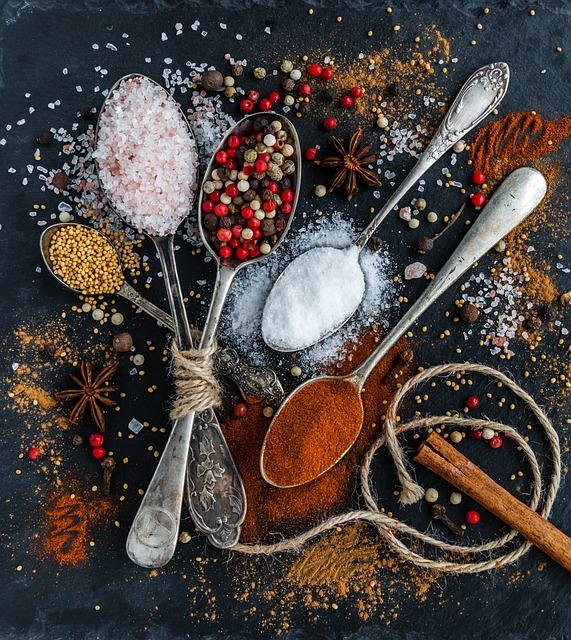
Contents
- Are Condiments Truly Considered Food?
- Analyzing the Nutritional Value of Condiments
- Debunking Common Myths About Condiments
- Unveiling the Impact of Condiments on Flavor Profiles
- The Controversy Surrounding Condiments in Dietary Guidelines
- Tips for Incorporating Condiments in a Balanced Diet
- Navigating the World of Artisanal Condiments
- The Future of Condiments: Trends and Innovations in Flavor Enhancement
- The Conclusion
Are Condiments Truly Considered Food?
Condiments have long been a staple in the culinary world, adding flavor, depth, and excitement to a variety of dishes. But are these flavor enhancers truly considered food? This age-old debate has sparked fierce discussions among foodies and chefs alike.
Some argue that condiments, such as ketchup, mustard, and hot sauce, are essential components of a meal and therefore should be classified as food. These flavorful additions can take a dish from bland to bold, enhancing the overall dining experience.
On the other hand, skeptics question whether condiments can stand alone as a sufficient meal. While they may add flavor and texture, some argue that they lack the necessary nutrients to be considered a standalone food item. However, one cannot deny the impact condiments have on our taste buds and the enjoyment they bring to our meals.

Analyzing the Nutritional Value of Condiments
When it comes to condiments, there is often a debate among foodies about whether they should be considered as food. While condiments are typically not consumed on their own, they play a crucial role in enhancing the flavor of dishes and adding an extra layer of taste to our meals. This begs the question – do condiments have any nutritional value?
Let’s break it down and analyze the nutritional content of some popular condiments:
- Ketchup: Although ketchup is often high in sugar, it also contains lycopene, an antioxidant that is good for your heart health.
- Mustard: Mustard is low in calories and fat, making it a healthier choice for adding flavor to your dishes.
- Hot Sauce: Hot sauce can boost your metabolism due to the capsaicin found in chili peppers, but it can also be high in sodium.
| Condiment | Calories per Serving | Sugar Content |
| Ketchup | 20 | 4g |
| Mustard | 3 | 0g |
| Hot Sauce | 5 | 1g |
Debunking Common Myths About Condiments
Many people often wonder if condiments should even be considered food. Some argue that condiments are merely flavor enhancers and not substantial enough to be considered a food group. However, this misconception overlooks the fact that condiments can be made from real, natural ingredients that provide nutritional benefits.
Let’s debunk some common myths about condiments:
- Condiments are unhealthy: While some condiments may be high in sugar, salt, or preservatives, there are plenty of healthy options available on the market, such as homemade salsa, guacamole, or pesto.
- Condiments are unnecessary: Condiments can actually add flavor, moisture, and interest to a dish, making it more enjoyable to eat. Plus, they can help enhance the nutritional value of a meal by adding essential vitamins and minerals.
- Condiments are just empty calories: It’s true that some condiments are high in calories, but others can provide valuable nutrients like healthy fats, antioxidants, and fiber. It all depends on the ingredients used and portion size.

Unveiling the Impact of Condiments on Flavor Profiles
Condiments are often the unsung heroes of the culinary world, enhancing the flavor profiles of dishes in ways that are both subtle and impactful. From tangy mustard to creamy aioli, these flavorful additions can take a meal from ordinary to extraordinary with just a dollop or a drizzle.
When it comes to the debate of whether condiments should be considered food, opinions are divided. Some argue that condiments are simply accessories to a meal, enhancing the main dish but not standing on their own as a complete food item. Others believe that certain condiments, such as salsa or guacamole, are substantial enough to be considered food in their own right.
Regardless of where you stand on the issue, there’s no denying the powerful role that condiments play in shaping the overall taste experience of a dish. Whether you’re a condiment connoisseur or a purist who prefers their food unadorned, there’s no denying the impact that these flavorful additions have on the dining experience.

The Controversy Surrounding Condiments in Dietary Guidelines
When it comes to condiments, the debate rages on: are they truly considered food or just additives for flavor? Some argue that condiments should not be included in dietary guidelines as they are not essential nutrients, while others believe that they can enhance the taste of meals and make healthy eating more enjoyable.
Those in favor of condiments point to the fact that they can add variety and excitement to otherwise bland dishes, encouraging people to eat more vegetables and other nutritious foods. On the other hand, critics argue that condiments often contain high levels of sugar, salt, and unhealthy fats, which can contribute to weight gain and other health issues.
While the debate continues, it is ultimately up to individuals to make informed choices about the condiments they consume and how they fit into their overall diet. Moderation and awareness of ingredients are key when it comes to incorporating condiments into a healthy eating plan.

Tips for Incorporating Condiments in a Balanced Diet
When it comes to incorporating condiments in a balanced diet, it all boils down to moderation and mindfulness. While condiments add flavor and excitement to our meals, they can also be high in sodium, sugars, and unhealthy fats if consumed in excess. Here are some tips to make sure you’re using condiments in a way that enhances your meals without compromising your health:
- Read Labels: Before reaching for your favorite condiment, take a moment to read the nutrition label. Look out for hidden sugars, artificial additives, and high sodium content.
- Choose Wisely: Opt for condiments that are made with real, whole ingredients like herbs, spices, and natural sweeteners. Homemade condiments can also be a healthier alternative.
- Practice Portion Control: Instead of drowning your dish in condiments, use them sparingly to add a pop of flavor without going overboard.
- Experiment with Flavors: Get creative in the kitchen by mixing and matching different condiments to discover new flavor combinations that complement your meals.
By being mindful of how you use condiments and making informed choices, you can enjoy the flavorful benefits of these additions while still maintaining a balanced and nutritious diet.
In today’s culinary world, the debate over whether condiments are considered food continues to spark interest among food enthusiasts. Artisanal condiments, in particular, have garnered attention for their unique flavors and high-quality ingredients. With options ranging from tangy mustards to spicy hot sauces, these condiments have become a staple in many gourmet kitchens.
One of the key arguments in favor of considering condiments as food is their ability to enhance the flavors of dishes. Whether it’s a dollop of homemade ketchup on a burger or a drizzle of infused olive oil on a salad, condiments play a crucial role in elevating the overall taste experience. Additionally, many artisanal condiments are crafted using traditional methods and premium ingredients, making them a worthy addition to any meal.
While some may argue that condiments are merely accessories to a meal, others believe that they can stand on their own as a culinary delight. Whether you see them as a sidekick or a star player, there’s no denying the impact that artisanal condiments have on the world of food. So, the next time you reach for that jar of gourmet mustard or bottle of small-batch hot sauce, remember that you’re indulging in a flavorful debate that has been simmering for years.
The Future of Condiments: Trends and Innovations in Flavor Enhancement
One of the most hotly debated topics among foodies is whether condiments should be considered food in their own right. Some argue that condiments are simply additives meant to enhance the flavor of food, while others believe that the right condiment can make or break a dish. Regardless of where you stand on this issue, there is no denying that condiments play a crucial role in the culinary world.
As we look towards the future of condiments, we can expect to see a few key trends and innovations that will continue to shape the way we enhance our meals. From unique flavor combinations to healthier options, the possibilities are endless when it comes to incorporating condiments into our culinary creations. Whether you are a die-hard ketchup fan or prefer to experiment with exotic sauces, the world of condiments is ripe with exciting new developments.
So, the next time you find yourself pondering the age-old question of whether condiments are food, remember that the answer may just lie in the endless possibilities of flavor enhancement that they bring to the table. After all, food is meant to be enjoyed, and what better way to elevate your dining experience than with the perfect condiment? Let your taste buds be your guide as you explore the wide world of condiments and all they have to offer.
The Conclusion
In conclusion, the debate over whether condiments should be considered food will likely continue to simmer in the culinary world. While some may argue that condiments are mere toppings, others see them as essential ingredients that elevate the overall taste of a dish. Regardless of which side of the debate you fall on, one thing is for certain – condiments play a significant role in enhancing flavors and making our meals more enjoyable. So, the next time you reach for that bottle of ketchup or sprinkle of salt, remember that condiments are more than just a side dish – they are an integral part of the food experience. Embrace the debate, and let your taste buds be the judge!
Get our latest guides, news, and insights highlighted in your Google Search & AI Overviews.


