

Eating Bones: An Unusual Habit with Health Risks
Have you ever heard of people eating bones? It may sound strange, but some individuals have a unique habit of consuming bones as part of their diet. While this might seem unusual, there are actually some health risks associated with this practice. Let’s dive into the world of bone-eating and explore the potential dangers it can pose to our health.
Contents
- Introduction
- Potential Health Risks of Eating Bones
- Why Do Some People Eat Bones?
- Types of Bones Eaten and Their Risks
- Nutritional Benefits of Bone Consumption
- The Dental Dangers of Eating Bones
- Precautions to Take if Eating Bones
- Seeking Professional Advice and Alternatives to Bone Consumption
- Final Thoughts
Introduction
Bones are typically seen as something to discard after finishing a meal, but for some, they are not just leftovers – they are a meal in themselves. Eating bones may seem like a strange and uncommon habit, but it has been practiced by various cultures for centuries. Whether it’s for cultural reasons or personal preference, consuming bones can come with its own set of health risks.
While some people believe that eating bones can provide additional nutrients and minerals, such as calcium and collagen, it’s important to consider the potential dangers involved. Chewing on bones can lead to dental damage, including cracked or chipped teeth. Additionally, bones can splinter and cause throat or digestive tract injuries if not properly chewed and digested.
It’s crucial to understand the potential risks associated with consuming bones and to weigh them against any perceived benefits. Consulting with a healthcare professional or nutritionist can help individuals make informed decisions about their dietary habits and overall health.

Potential Health Risks of Eating Bones
Eating bones may seem like an unusual habit, but some individuals find pleasure in gnawing on bones after finishing a meal. While this practice may have cultural or culinary significance for some, it is essential to be aware of the potential health risks associated with consuming bones.
One of the primary risks of eating bones is the possibility of choking or sustaining injuries to the mouth, throat, or digestive tract. Bones can splinter easily, especially when cooked, and small bone fragments can become lodged in the throat or puncture the digestive organs, leading to serious complications.
Additionally, consuming bones can also pose a risk of dental damage, particularly if the bones are hard and brittle. Chewing on bones can cause fractures, chips, or cracks in teeth, which may require dental intervention to repair. It is important to exercise caution and be mindful of these potential health hazards when considering whether to indulge in this unconventional practice.

Why Do Some People Eat Bones?
It may sound strange to some, but there are people who have a habit of eating bones. This unusual practice can be seen in various cultures around the world, with individuals consuming bones for different reasons. While some do it for the taste or texture, others believe in the health benefits that bones can provide. However, it is important to be aware of the potential health risks associated with eating bones.
**Health Risks of Eating Bones:**
- Choking hazard: Consuming bones can pose a risk of choking, especially if the bones are sharp or splinter easily.
- Damage to teeth: Crunching on bones can lead to cracked or broken teeth, causing pain and requiring dental treatment.
- Digestive issues: Eating bones can cause gastrointestinal problems, such as constipation or bowel obstruction, due to the indigestible nature of bone fragments.
| Health Risks | Prevention |
|---|---|
| Choking hazard | Avoid consuming small and sharp bones. |
| Damage to teeth | Exercise caution when eating bones, consider alternatives. |
| Digestive issues | Limit consumption of bones, opt for boneless alternatives. |

Types of Bones Eaten and Their Risks
In certain cultures and communities around the world, consuming bones is considered a traditional practice. There are various types of bones that are eaten, each posing different health risks to individuals. It’s important to be aware of these risks in order to make informed decisions about your dietary habits.
Some common types of bones that are eaten include:
- Chicken Bones: Fragile and prone to splintering, which can cause damage to the digestive tract if consumed.
- Fish Bones: Small and sharp, they can easily get stuck in the throat or pierce the intestines if swallowed incorrectly.
- Beef Bones: Dense and hard, posing a choking hazard if bitten into improperly.
While some people believe that eating bones can provide added nutrients or flavor, the risks associated with this practice cannot be overlooked. It’s always best to consult with a healthcare professional before incorporating bones into your diet to ensure your health and safety.

Nutritional Benefits of Bone Consumption
While the idea of consuming bones may seem unusual and even unappetizing to many, it is important to note that bones offer a wealth of nutritional benefits that should not be overlooked. Despite this, there are also potential health risks associated with eating bones that must be considered.
Some of the key nutritional benefits of consuming bones include:
- Rich in minerals: Bones are a great source of essential minerals such as calcium, phosphorus, magnesium, and potassium, which are important for bone health, muscle function, and overall well-being.
- Collagen and gelatin: When bones are cooked, they release collagen and gelatin, which are beneficial for skin health, joint health, and digestion.
- Protein and amino acids: Bones also contain protein and important amino acids that are necessary for muscle growth, repair, and maintenance.
| Mineral | Amount per 100g |
|---|---|
| Calcium | 14% DV |
| Phosphorus | 12% DV |
| Magnesium | 10% DV |
| Potassium | 8% DV |
However, it is important to note that eating bones can also pose health risks, such as the potential for choking, dental damage, and the ingestion of harmful bacteria or contaminants. It is essential to practice caution and ensure that bones are cooked thoroughly and consumed in a safe manner to minimize these risks.
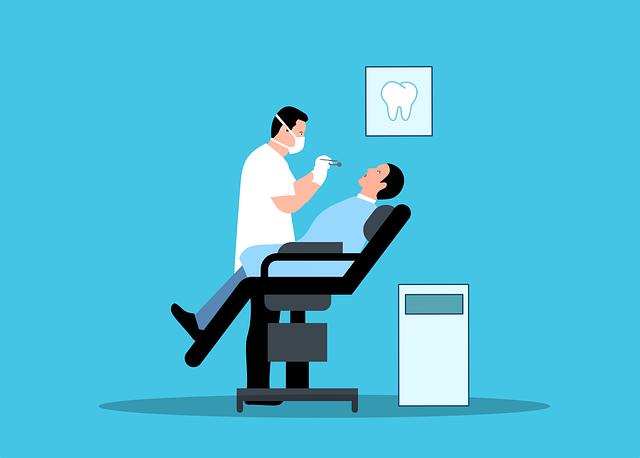
The Dental Dangers of Eating Bones
Eating bones may seem like an unusual habit, but it poses serious risks to your dental health. The hard, brittle nature of bones can cause significant damage to your teeth, leading to a range of dental problems. Here are some of the dangers associated with eating bones:
- Chipped or fractured teeth: Biting down on bones can easily cause your teeth to chip or crack, leading to pain and potential infection.
- Gum damage: Bone fragments can also injure your gums, causing irritation, inflammation, and potentially leading to gum disease.
- Tooth decay: Bone fragments can get lodged in between your teeth, promoting the growth of harmful bacteria and increasing your risk of tooth decay.
It’s important to avoid the temptation of using bones as a source of nutrients and opt for safer alternatives for your dental health.

Precautions to Take if Eating Bones
When it comes to eating bones, it’s important to take certain precautions to avoid potential health risks. Here are some tips to keep in mind:
- Avoid small bones: Stick to larger bones that are less likely to splinter into sharp pieces and cause internal injuries.
- Cook bones thoroughly: Make sure to cook bones at a high temperature to kill any harmful bacteria that may be present.
- Limit intake: Eating bones should be done in moderation to prevent digestive issues such as constipation or blockages.
By following these precautions, you can enjoy the unique habit of eating bones while minimizing the potential health risks associated with it.

Seeking Professional Advice and Alternatives to Bone Consumption
Many individuals have a peculiar habit of consuming bones as part of their diet. While this practice may seem harmless or even beneficial due to the belief that bones contain valuable nutrients, it can actually pose serious health risks. Eating bones can lead to dental damage, digestive issues, and even the risk of choking or internal injury. Therefore, it is crucial to seek professional advice and explore alternative sources of essential nutrients.
When it comes to obtaining necessary nutrients such as calcium, phosphorus, and collagen, there are plenty of safe and effective alternatives to bone consumption. Consider incorporating the following options into your diet:
- Dairy Products: Milk, yogurt, and cheese are rich sources of calcium and other essential minerals for bone health.
- Leafy Greens: Spinach, kale, and broccoli are excellent plant-based sources of calcium and other nutrients.
- Supplements: If you struggle to meet your nutrient needs through food alone, consider taking supplements recommended by a healthcare professional.
Final Thoughts
In conclusion, while eating bones may seem like an unusual habit, it is important to be aware of the potential health risks associated with it. Chewing on raw bones can result in dental damage, digestive issues, and potential bacterial infections. It is always recommended to opt for safer alternatives for calcium and nutrients, such as dairy products, leafy greens, and supplements. Remember to prioritize your health and make informed choices when it comes to your diet. Stay safe and keep your bones healthy!
Get our latest guides, news, and insights highlighted in your Google Search & AI Overviews.


