

Can Bell Peppers Cause Gas? The Nightshade Vegetable’s Effect on Your Gut
If you’ve ever found yourself feeling gassy and bloated after enjoying a delicious meal that included bell peppers, you’re not alone. Many people wonder if this beloved nightshade vegetable could be the culprit behind their digestive woes. In this article, we’ll explore the potential connection between bell peppers and gas, and how they may affect your gut health. Let’s dig in and uncover the truth about this popular ingredient.
Contents
- Do Bell Peppers Cause Gas?
- Understanding the Role of Nightshade Vegetables on Your Gut Health
- Potential Factors Contributing to Gas Production from Bell Peppers
- Balancing the Benefits and Drawbacks of Eating Bell Peppers
- Exploring Alternative Cooking Methods to Reduce Gas from Bell Peppers
- Future Outlook
Do Bell Peppers Cause Gas?
Bell peppers, like other members of the nightshade vegetable family, can sometimes cause gas in certain individuals. This is due to compounds found in bell peppers that can be difficult for some people to digest, leading to bloating and discomfort. However, not everyone will experience gas from consuming bell peppers, as tolerance levels can vary from person to person.
If you find that bell peppers tend to give you gas, there are a few tips you can try to help alleviate symptoms:
- Cook the bell peppers before consuming them, as this can help break down some of the compounds that may be causing gas.
- Avoid eating bell peppers raw, as they may be more difficult to digest in their uncooked state.
- Consider pairing bell peppers with other foods that are easier on the digestive system, such as lean proteins or complex carbohydrates.
By being mindful of how your body reacts to bell peppers and making some adjustments to your diet, you can still enjoy this nutritious vegetable without suffering from excess gas.
Understanding the Role of Nightshade Vegetables on Your Gut Health
Nightshade vegetables have long been a topic of discussion when it comes to gut health. Many wonder if consuming bell peppers can lead to unwanted gas and bloating. While everyone’s body reacts differently to certain foods, it’s essential to understand the role nightshade vegetables play in your digestive system.
Here are some key points to consider:
- Nightshade vegetables, such as bell peppers, tomatoes, and eggplants, contain alkaloids that some individuals may be sensitive to.
- These alkaloids can potentially irritate the gut lining, leading to symptoms like gas, bloating, and digestive discomfort.
- If you suspect that nightshade vegetables are causing issues for you, try eliminating them from your diet for a few weeks to see if your symptoms improve.
Table: Nightshade Vegetables and Their Alkaloid Content
| Vegetable | Alkaloid Content | Potential Effects |
|---|---|---|
| Bell Peppers | Low | Minimal digestive issues |
| Tomatoes | Moderate | Increased bloating |
| Eggplants | High | Severe gas and discomfort |
By paying attention to how your body reacts to nightshade vegetables, you can make informed decisions about your diet and gut health. Remember, what works for one person may not work for another, so it’s essential to listen to your body and make choices that support your overall well-being.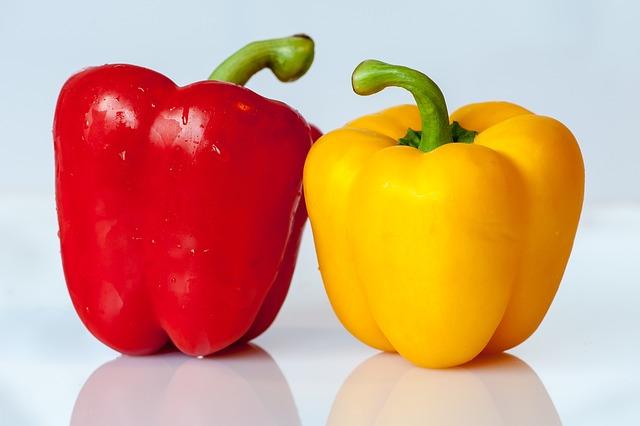
Potential Factors Contributing to Gas Production from Bell Peppers
When it comes to gas production, bell peppers can sometimes be a culprit. While these vibrant veggies are packed with nutrients and antioxidants, they also contain certain compounds that can be hard for some people to digest, leading to gas and bloating. Here are some :
- Fiber content: Bell peppers are high in fiber, which can be difficult for some individuals to digest. Fiber-rich foods can ferment in the gut, leading to gas production.
- Soluble fiber: Bell peppers contain soluble fiber, which can also contribute to gas production. Soluble fiber attracts water and forms a gel-like substance in the gut, which can lead to gas and bloating.
- Sugar content: Bell peppers contain natural sugars, such as fructose and sucrose, which can be challenging for some people to digest. These sugars can ferment in the gut, producing gas as a byproduct.

Balancing the Benefits and Drawbacks of Eating Bell Peppers
Bell peppers are a popular vegetable known for their vibrant colors and refreshing crunch. However, some people may experience digestive issues after consuming bell peppers. These vegetables belong to the nightshade family, which contains compounds that can be difficult for some individuals to digest.
One of the main concerns when it comes to bell peppers is their potential to cause gas. This is due to their high fiber content, which can be challenging for some people’s digestive systems to break down. If you frequently experience bloating or discomfort after eating bell peppers, it may be worth considering reducing your intake or finding alternative ways to enjoy this nutritious vegetable.
- Benefits of eating bell peppers:
- Rich in vitamins A and C
- Low in calories
- Contains antioxidants that may reduce inflammation

Exploring Alternative Cooking Methods to Reduce Gas from Bell Peppers
Have you ever noticed that bell peppers can sometimes leave you feeling gassy and bloated? You’re not alone! Bell peppers are part of the nightshade family, which can be harder for some people to digest, leading to discomfort and gas. But fear not, there are alternative cooking methods you can explore to help reduce the gas-producing effects of bell peppers.
One way to reduce the gas from bell peppers is by roasting or grilling them. This cooking method helps break down some of the harder-to-digest compounds in the peppers, making them easier on your gut. Another option is to peel the skin off before cooking, as it can be tough for some people’s digestive systems to handle. Additionally, you can try removing the seeds and membranes inside the pepper, as these are known to cause gas for some individuals.
Overall, experimenting with different cooking techniques can help you enjoy the flavor and benefits of bell peppers without the unwanted side effects. So next time you’re whipping up a dish with bell peppers, try roasting, grilling, peeling, or deseeding them to see if it makes a difference for your gut health!
Future Outlook
In conclusion, while bell peppers are a nutritious and delicious addition to any diet, they can cause gas in some individuals due to their high fiber content and the fact that they belong to the nightshade family of vegetables. If you experience digestive issues after eating bell peppers, try cooking them thoroughly, removing the skin and seeds, or incorporating them in smaller portions. Remember, everyone’s digestive system is unique, so listen to your body and make adjustments accordingly. Don’t let potential gas hold you back from enjoying the many health benefits that bell peppers have to offer.
So go ahead and enjoy those vibrant red, yellow, and green bell peppers, but just be mindful of how they might affect your gut. Happy eating!
Get our latest guides, news, and insights highlighted in your Google Search & AI Overviews.


