

Pigeon Peas: The Legume That’s Good for Your Health
Hey there, foodies! Have you heard about the amazing health benefits of pigeon peas? This humble legume is a powerhouse of nutrition and can do wonders for your well-being. From improving heart health to aiding digestion, pigeon peas have a lot to offer. So let’s dive into the world of pigeon peas and discover why they should be a staple in your diet!
Contents
- Health Benefits of Pigeon Peas
- Incorporating Pigeon Peas into Your Diet
- Nutritional Value of Pigeon Peas
- Delicious Recipes Featuring Pigeon Peas
- Pigeon Peas: A Plant-Based Protein Source
- Adding Pigeon Peas to Your Meal Prep Routine
- How Pigeon Peas Support Digestive Health
- Pigeon Peas: The Legume That’s Good for Your Health
- Tips for Buying and Storing Pigeon Peas
- Exploring Cultural Traditions Surrounding Pigeon Peas
- Closing Remarks
Health Benefits of Pigeon Peas
Pigeon peas, also known as Toor Dal, are not only a delicious addition to your meals but also pack a powerful punch when it comes to health benefits. These humble legumes are rich in nutrients that can do wonders for your well-being.
One of the standout is their high protein content. They are an excellent source of plant-based protein, making them a great option for vegetarians and vegans looking to meet their protein needs. Protein is essential for muscle repair, growth, and overall health.
- Rich in fiber, aiding in digestion and promoting gut health
- Loaded with vitamins and minerals, such as iron, potassium, and magnesium
- Low in fat and cholesterol
- Contain antioxidants that help fight inflammation and oxidative stress
Incorporating Pigeon Peas into Your Diet
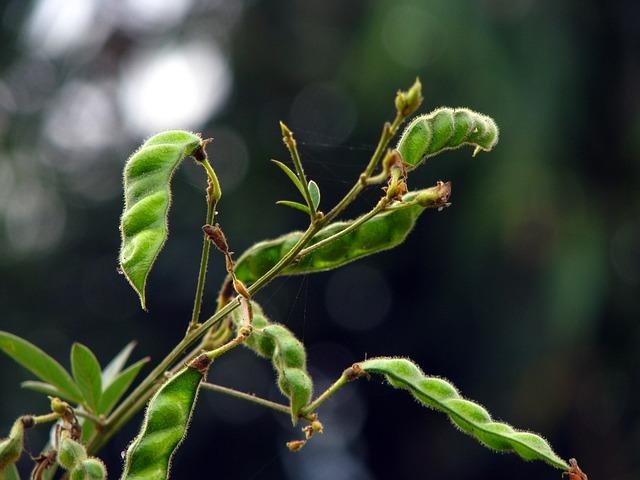
One of the healthiest legumes you can incorporate into your diet is pigeon peas. These small, round peas are not only delicious but also packed with nutrients that can benefit your health in numerous ways. From improving digestion to boosting heart health, pigeon peas are a versatile ingredient that can be used in a variety of dishes.
These peas are a good source of plant-based protein, making them an excellent choice for vegetarians and vegans. They are also rich in fiber, which can help regulate blood sugar levels and promote a healthy digestive system. Additionally, pigeon peas are loaded with vitamins and minerals, including iron, potassium, and magnesium, which are essential for overall health and well-being.
Whether you choose to enjoy them in a comforting soup, a flavorful curry, or a tasty salad, is a simple way to add a nutritious boost to your meals. With their delicious taste and impressive health benefits, these legumes are sure to become a staple in your kitchen.
Nutritional Value of Pigeon Peas
Pigeon peas, also known as arhar dal or toor dal, are not only delicious but also packed with a variety of nutrients that are beneficial for your health. These small, round legumes are a staple in many cuisines around the world and provide a rich source of essential vitamins and minerals.
Here is a breakdown of the :
- Protein: Pigeon peas are a great source of plant-based protein, making them an excellent choice for vegetarians and vegans.
- Fiber: These legumes are high in fiber, which can aid in digestion and help regulate blood sugar levels.
- Vitamins and Minerals: Pigeon peas are rich in vitamins and minerals such as iron, potassium, and magnesium, all of which are essential for overall health.
Adding pigeon peas to your diet can provide a nutritious boost and contribute to your overall well-being. So the next time you’re planning a meal, consider incorporating this versatile and nutrient-packed legume!
Delicious Recipes Featuring Pigeon Peas
Pigeon peas, also known as tur dal or arhar dal, are not only delicious but also incredibly beneficial for your health. These small, round legumes are packed with protein, fiber, and essential nutrients, making them a fantastic addition to any diet.
There are so many creative and tasty ways to incorporate pigeon peas into your meals. Whether you enjoy them in soups, stews, or curries, their rich, nutty flavor adds a unique twist to any dish. If you’re looking for some new recipes to try, here are a few ideas to get you started:
- Pigeon Pea Curry: A flavorful and fragrant curry made with pigeon peas, tomatoes, onions, and a blend of aromatic spices. Serve with steamed rice for a satisfying meal.
- Pigeon Pea Salad: A light and refreshing salad featuring cooked pigeon peas, cucumbers, bell peppers, and a zesty lemon vinaigrette. Perfect for a healthy lunch or side dish.
- Pigeon Pea Soup: A hearty and comforting soup made with pigeon peas, carrots, celery, and garlic. Garnish with fresh parsley for a touch of freshness.
Pigeon Peas: A Plant-Based Protein Source
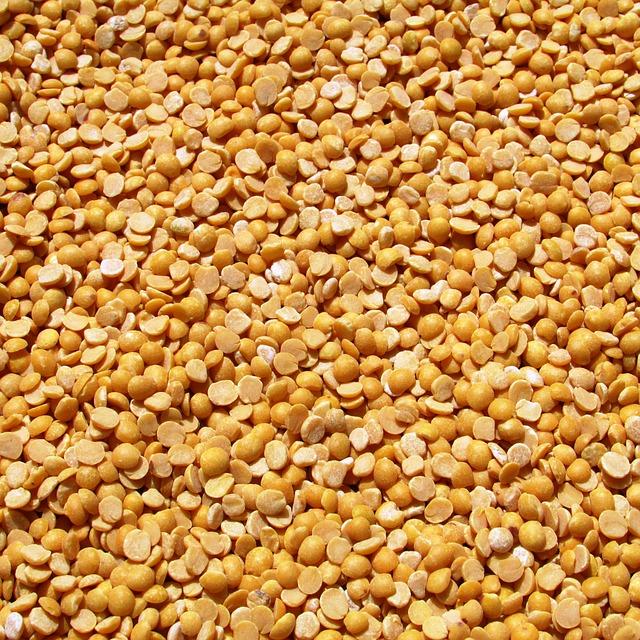
Pigeon peas, also known as tur dal or arhar dal, are a versatile legume that packs a powerful nutritional punch. These small, round peas are not only delicious but also a great source of plant-based protein. They contain all nine essential amino acids, making them a complete protein that is perfect for vegetarians and vegans looking to meet their protein needs.
In addition to being rich in protein, pigeon peas are also loaded with fiber, vitamins, and minerals. A single cup of cooked pigeon peas provides over 10 grams of fiber, which helps support digestive health and keeps you feeling full and satisfied. These peas are also a good source of iron, potassium, and magnesium, which are essential for overall health and well-being.
Including pigeon peas in your diet can help you reap a wide range of health benefits, from improved digestion to better heart health. Whether you enjoy them in soups, stews, curries, or salads, pigeon peas are a tasty and nutritious addition to any plant-based diet. So why not give these tiny legumes a try and experience the many benefits they have to offer?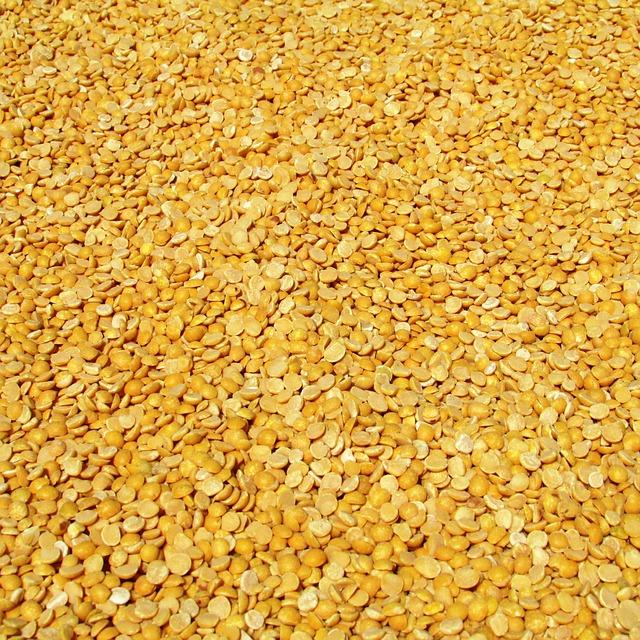
Adding Pigeon Peas to Your Meal Prep Routine
Pigeon peas, also known as toor dal or arhar dal, are a versatile and nutritious legume that can be easily incorporated into your meal prep routine. These small, round peas are packed with protein, fiber, and essential nutrients, making them an excellent addition to any diet.
Here are some reasons why you should consider adding pigeon peas to your meal prep:
- Rich in protein, which is essential for muscle growth and repair
- High in fiber, promoting digestive health and keeping you feeling full longer
- Contains vitamins and minerals such as iron, potassium, and magnesium
| Nutrient | Amount |
|---|---|
| Protein | 12g per 100g |
| Fiber | 9g per 100g |
| Iron | 6% of daily value per 100g |
Whether you use pigeon peas in soups, stews, salads, or rice dishes, incorporating this legume into your meal prep routine can boost the nutritional value of your meals and support your overall health.

How Pigeon Peas Support Digestive Health
Pigeon Peas: The Legume That’s Good for Your Health
One of the many benefits of incorporating pigeon peas into your diet is the support they provide for digestive health. These small legumes are packed with fiber, which is essential for a healthy gut. Fiber helps to regulate digestion, prevent constipation, and promote regular bowel movements.
Additionally, pigeon peas are rich in antioxidants, vitamins, and minerals that work together to support overall digestive function. These nutrients help to reduce inflammation in the gut, support the growth of beneficial gut bacteria, and improve nutrient absorption. Including pigeon peas in your meals can help to maintain a healthy digestive system and prevent digestive issues.
| Nutrient | Benefits for Digestive Health |
|---|---|
| Fiber | Regulates digestion and prevents constipation |
| Antioxidants | Reduce inflammation in the gut |
| Vitamins and Minerals | Support nutrient absorption |

Tips for Buying and Storing Pigeon Peas
When it comes to buying and storing pigeon peas, there are a few key tips to keep in mind to ensure that you get the most out of this nutritious legume.
Firstly, when purchasing pigeon peas, look for ones that are plump, firm, and free from any signs of mold or moisture. It’s also a good idea to opt for organic pigeon peas whenever possible to avoid any exposure to pesticides or chemicals.
When storing pigeon peas at home, it’s best to keep them in an airtight container in a cool, dry place, such as a pantry or cupboard. This will help to preserve their freshness and flavor for longer periods of time. Additionally, you can also store dried pigeon peas in the refrigerator for extended freshness. By following these simple tips, you can enjoy the health benefits of pigeon peas in your diet while keeping them fresh for future use.
Exploring Cultural Traditions Surrounding Pigeon Peas
Throughout various cultures around the world, pigeon peas have played a significant role in traditional dishes and practices. In the Caribbean, pigeon peas are a staple ingredient in dishes like rice and peas, where they are cooked with coconut milk and seasonings for a flavorful side dish. In India, pigeon peas are often used in dals, which are lentil-based soups or stews that are enjoyed with rice or bread.
Not only are pigeon peas delicious, but they also offer numerous health benefits. Pigeon peas are a great source of protein, fiber, and vitamins, making them a nutritious addition to any diet. They can help improve digestion, regulate blood sugar levels, and boost heart health. With all of these benefits, it’s no wonder why pigeon peas have been a beloved ingredient in traditional dishes for centuries.
| Culture | Traditional Dish |
|---|---|
| Jamaican | Rice and Peas |
| Indian | Dal |
Closing Remarks
In conclusion, pigeon peas are a nutritional powerhouse that should definitely have a place in your pantry. From their high protein content to their beneficial impact on heart health and digestion, these legumes offer a wide range of health benefits. Whether you enjoy them in a stew, salad, or curry, pigeon peas are versatile and delicious. So, next time you’re meal planning, consider incorporating these tiny legumes for a big impact on your health. Here’s to good health and delicious meals!
Get our latest guides, news, and insights highlighted in your Google Search & AI Overviews.


