

Pickled Perks: Are Pickled Beetroot Good for Your Health?
If you’re a fan of pickled vegetables, you’ve probably heard about the many health benefits of pickled beetroot. But are these tangy treats really good for you? In this article, we’ll dive into the science behind pickled beets and explore whether or not they deserve a place in your diet. So grab a jar and get ready to discover the pickled perks of this vibrant root vegetable!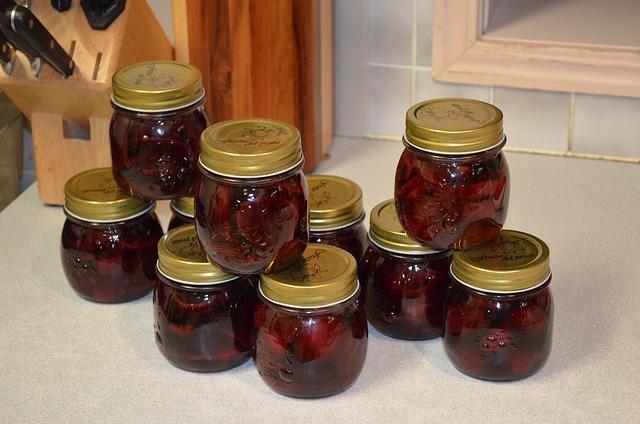
Contents
- * Benefits of Pickled Beetroot for Your Gut Health
- * The Nutritional Value of Pickled Beetroot
- * Potential Drawbacks of Consuming Pickled Beetroot
- * How to Incorporate Pickled Beetroot into Your Diet
- * Pickled Beetroot: A Versatile Ingredient in Cooking
- * Pickled Beetroot vs. Fresh Beetroot: Which is Better?
- * Tips for Choosing the Best Pickled Beetroot
- * Pickled Beetroot and Its Impact on Blood Pressure
- * The Connection Between Pickled Beetroot and Athletic Performance
- To Conclude
* Benefits of Pickled Beetroot for Your Gut Health
When it comes to gut health, pickled beetroot is a hidden gem that can provide numerous benefits for your digestive system. This tangy and tasty vegetable is not only delicious but also packed with essential nutrients that can help support a healthy gut.
- Probiotics: Pickled beetroot is fermented, which means it contains probiotics that can promote the growth of beneficial bacteria in your gut.
- Improved digestion: The fibers found in pickled beetroot can aid digestion and help regulate bowel movements, keeping your gut healthy and functioning properly.
- Reduced inflammation: Beetroot is rich in antioxidants, which can help reduce inflammation in the gut and protect against digestive disorders.

* The Nutritional Value of Pickled Beetroot
When it comes to pickled beetroot, there’s more to it than just its tangy and flavorful taste. This vibrant vegetable is packed with essential nutrients that can benefit your overall health. Incorporating pickled beetroot into your diet can provide you with a range of nutritional perks that you might not have been aware of.
First and foremost, pickled beetroot is a rich source of antioxidants, particularly from its deep red color which comes from betalains. These antioxidants help to protect your cells from damage caused by free radicals, reducing the risk of chronic diseases. In addition, pickled beetroot is high in fiber, which can promote digestion and gut health. It also contains essential vitamins and minerals such as vitamin C, potassium, and folate, which are important for maintaining a healthy immune system and overall well-being.
| Nutrient | Amount per 100g |
|---|---|
| Calories | 40 |
| Fiber | 2g |
| Vitamin C | 4% of daily value |

* Potential Drawbacks of Consuming Pickled Beetroot
While pickled beetroot offers many health benefits, there are also potential drawbacks to consuming it. It’s important to consider these factors before adding pickled beetroot to your diet:
- High in Sodium: Pickled beetroot is often high in sodium due to the pickling process. Excess sodium intake can lead to high blood pressure and other cardiovascular issues.
- Sugar Content: Some pickled beetroot varieties may contain added sugar, which can contribute to weight gain and other health issues if consumed in excess.
- Possible Acetic Acid Sensitivity: The acetic acid in pickled beetroot may be irritating to some individuals, especially those with digestive issues or acid reflux.
While pickled beetroot can be a tasty and nutritious addition to your diet, it’s best to consume it in moderation and be mindful of these potential drawbacks. As with any food, it’s important to listen to your body and consult with a healthcare professional if you have any concerns.
* How to Incorporate Pickled Beetroot into Your Diet
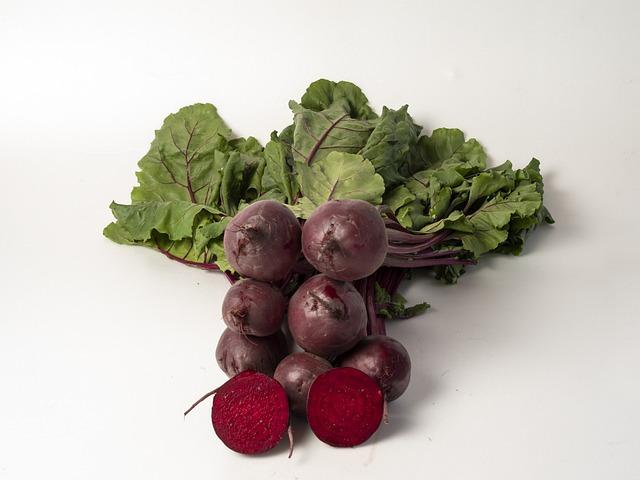
Incorporating pickled beetroot into your diet can bring a burst of flavor and a range of health benefits. This tangy root vegetable is not only delicious but also packed with nutrients that can boost your overall well-being. From improved digestion to enhanced cardiovascular health, pickled beetroot can be a versatile addition to your meals.
Here are some creative ways to include pickled beetroot in your diet:
- Salads: Add pickled beetroot slices to your favorite salads for a pop of color and flavor.
- Sandwiches: Include pickled beetroot as a topping in your sandwiches or wraps for an extra crunch.
- Snacks: Enjoy pickled beetroot as a standalone snack or pair it with cheese and crackers for a tasty treat.
Check out the nutritional benefits of pickled beetroot in the table below:
| Nutrient | Amount per 100g |
|---|---|
| Fiber | 2.8g |
| Vitamin C | 4.9mg |
| Folate | 80mcg |
| Potassium | 325mg |
Pickled beetroot is a versatile and nutritious addition to your diet. Try incorporating it into your meals and experience the pickled perks for yourself!
* Pickled Beetroot: A Versatile Ingredient in Cooking
When it comes to cooking, pickled beetroot truly shines as a versatile ingredient that can add a unique and flavorful twist to a variety of dishes. From salads to sandwiches to main courses, pickled beetroot can elevate the taste and presentation of your meals. With its vibrant color and tangy flavor, pickled beetroot is a great addition to any kitchen pantry.
But aside from its culinary benefits, pickled beetroot also offers numerous health advantages. Packed with essential nutrients and antioxidants, pickled beetroot can help boost your immune system, improve digestion, and even lower blood pressure. Additionally, pickled beetroot is a great source of fiber, which can aid in digestion and promote overall gut health.
So, whether you’re a cooking enthusiast looking to experiment with new ingredients or someone looking to add a nutritious boost to your diet, pickled beetroot is definitely worth including in your culinary repertoire. Get creative in the kitchen and discover the endless possibilities that this humble ingredient has to offer!
* Pickled Beetroot vs. Fresh Beetroot: Which is Better?
**Pickled Perks: Are Pickled Beetroot Good for Your Health?**
When it comes to the age-old debate of pickled beetroot vs. fresh beetroot, there are a few key factors to consider. Pickled beetroot offers a unique tangy flavor that can add a burst of excitement to salads, sandwiches, and even cocktails. Additionally, pickling beetroot can help preserve its nutrients, making it a convenient and healthy option for busy individuals.
On the other hand, fresh beetroot boasts a crisp texture and earthy flavor that pairs well with a variety of dishes. Fresh beetroot is also packed with essential nutrients like fiber, folate, and potassium, which are important for overall health and well-being. Whether you prefer the zingy kick of pickled beetroot or the natural goodness of fresh beetroot, both options have their own distinct benefits to offer.
* Tips for Choosing the Best Pickled Beetroot
When it comes to choosing the best pickled beetroot, there are a few key factors to consider in order to make the most nutritious and delicious choice. Here are some tips to help you pick the perfect pickled beets for your next meal:
- Ingredients: Look for pickled beets that are made with simple, natural ingredients like beets, vinegar, and spices. Avoid products that contain preservatives or artificial colors.
- Texture: Opt for pickled beets that have a firm texture and are not mushy. This will ensure that the beets have been pickled properly and will provide a satisfying crunch.
- Flavor: Choose pickled beets that have a well-balanced flavor profile, with a nice combination of sweetness and tanginess. Beets that are too sweet or too sour may not be as enjoyable to eat.
* Pickled Beetroot and Its Impact on Blood Pressure
When it comes to maintaining healthy blood pressure levels, pickled beetroot might just be the secret weapon you’ve been overlooking. This tangy and vibrant vegetable is not only delicious but also packed with essential nutrients that can have a positive impact on your cardiovascular health.
Rich in nitrates, pickled beetroot has been shown to help lower blood pressure by promoting vasodilation and improving blood flow. Additionally, the high levels of potassium found in pickled beetroot can help regulate blood pressure and reduce the risk of hypertension. Including pickled beetroot in your diet can be a simple and tasty way to support your heart health.
| Nutrient | Amount |
|---|---|
| Fiber | 2g |
| Potassium | 200mg |
| Nitrates | 100mg |
* The Connection Between Pickled Beetroot and Athletic Performance
One surprising link between pickled beetroot and athletic performance has been gaining attention in recent years. Beetroot is a rich source of nitrates, which have been shown to improve blood flow, lower blood pressure, and enhance exercise performance. Pickling preserves the nutrients in beetroot, making it a convenient and tasty way to reap the benefits.
Studies have suggested that consuming pickled beetroot before a workout can increase endurance, improve oxygen efficiency, and even reduce the oxygen cost of exercise. This can be particularly beneficial for endurance athletes looking to optimize their performance. Additionally, the anti-inflammatory properties of beetroot may help with post-exercise recovery, reducing muscle soreness and promoting faster healing.
| Nutrient | Benefits |
|---|---|
| Nitrates | Improve blood flow and exercise performance |
| Anti-inflammatory properties | Help with post-exercise recovery |
To Conclude
In conclusion, pickled beetroot offers a myriad of health benefits that make it a great addition to your diet. From providing a boost of essential nutrients to promoting digestion and aiding in weight management, this tangy vegetable can truly be a powerhouse for your health. So, the next time you’re craving a tasty snack, reach for a jar of pickled beets and enjoy the many perks they have to offer. Your body will thank you for it! So, go ahead and indulge in some pickled beetroot – your tastebuds and your health will both be happy!


