

Leafy Goodness: Is Napa Cabbage a Healthy Choice?
Have you ever wondered if Napa cabbage could be a healthy addition to your diet? Well, wonder no more! In this article, we’ll explore the various health benefits of this leafy green and help you decide if it’s the right choice for you. So grab a seat and let’s delve into the world of Napa cabbage!
Contents
- Benefits of Napa Cabbage for Overall Health
- Nutritional Profile of Napa Cabbage
- How to Incorporate Napa Cabbage into Your Diet
- Health Risks Associated with Napa Cabbage
- Tips for Choosing and Storing Napa Cabbage
- Comparing Napa Cabbage to Other Leafy Greens
- Recipes Featuring Napa Cabbage
- Expert Opinions on the Health Benefits of Napa Cabbage
- Final Thoughts
Benefits of Napa Cabbage for Overall Health
Napa cabbage is a versatile and nutritious leafy green that offers a wide range of health benefits. Packed with vitamins, minerals, and antioxidants, this vegetable can help boost overall health and well-being.
One of the key benefits of Napa cabbage is its high vitamin C content, which can support immune function and help fight off infections. Additionally, this cruciferous vegetable is rich in fiber, which can aid in digestion and promote a healthy gut.
Furthermore, Napa cabbage is low in calories and carbohydrates, making it a great option for those looking to maintain or lose weight. It also contains compounds that may help reduce inflammation and lower the risk of chronic diseases. Incorporating Napa cabbage into your diet can be a delicious and nutritious choice for improving your overall health.
Nutritional Profile of Napa Cabbage
Napa cabbage, also known as Chinese cabbage, is a leafy green vegetable that packs a nutritional punch. This cruciferous vegetable is low in calories but high in essential nutrients, making it a healthy choice for any diet.
Rich in vitamins and minerals, Napa cabbage is a great source of vitamin K, vitamin C, and folate. It also contains antioxidants like beta-carotene and lutein, which help protect cells from damage and reduce inflammation. In addition, Napa cabbage is a good source of fiber, which can aid in digestion and promote gut health.
Whether you enjoy it raw in salads, stir-fried, or steamed, Napa cabbage is a versatile and nutritious addition to any meal. So next time you’re at the grocery store, be sure to pick up some Napa cabbage and reap the benefits of this leafy goodness.
| Nutrient | Amount per 100g |
|---|---|
| Calories | 13 |
| Vitamin K | 45% of DV |
| Vitamin C | 27% of DV |
| Folate | 10% of DV |
How to Incorporate Napa Cabbage into Your Diet
Napa cabbage is a versatile and nutrient-rich vegetable that can be easily incorporated into your diet. With its mild flavor and crunchy texture, it can be used in a variety of dishes to add a nutritious boost. Here are some creative ways to enjoy this leafy goodness:
- Make a refreshing Napa cabbage salad with a zesty dressing
- Stir-fry Napa cabbage with your favorite protein and seasonings
- Add shredded Napa cabbage to soups or stews for a nutritious twist
Rich in vitamins C and K, as well as fiber, Napa cabbage offers a range of health benefits. It is also low in calories, making it a great option for those looking to maintain a healthy weight. So, next time you’re at the grocery store, consider picking up some Napa cabbage to add a fresh and nutritious element to your meals!

Health Risks Associated with Napa Cabbage
Napa cabbage is a versatile and nutritious vegetable that is a popular choice for salads, stir-fries, and soups. While it offers numerous health benefits, there are some potential risks associated with consuming this leafy green.
Health Risks:
- Goitrogens: Napa cabbage contains compounds known as goitrogens, which can interfere with thyroid function when consumed in large amounts.
- Foodborne Illness: Like other leafy greens, Napa cabbage can be a source of foodborne illnesses if not properly washed and prepared.
- High in Sodium: Some individuals may need to limit their intake of Napa cabbage due to its higher sodium content, which can contribute to high blood pressure.

Tips for Choosing and Storing Napa Cabbage
Napa cabbage, also known as Chinese cabbage, is not only delicious but also a nutritious choice for your meals. This leafy vegetable is packed with vitamins A, C, and K, as well as fiber and antioxidants. But how do you choose the best Napa cabbage at the store and store it properly at home?
First, when selecting Napa cabbage, look for heads that are firm and heavy for their size. Avoid any heads with wilted or discolored leaves. Additionally, choose smaller heads for a milder flavor, while larger heads are more robust in taste. When storing Napa cabbage, keep it unwashed in a perforated plastic bag in the refrigerator’s crisper drawer. It will stay fresh for up to a week this way.
To make the most of your Napa cabbage, try using it in stir-fries, salads, or as a wrap for tacos or sushi. Its mild flavor and crunchy texture make it a versatile ingredient that can enhance any dish. So next time you’re at the store, be sure to pick up some Napa cabbage and incorporate this leafy goodness into your meals.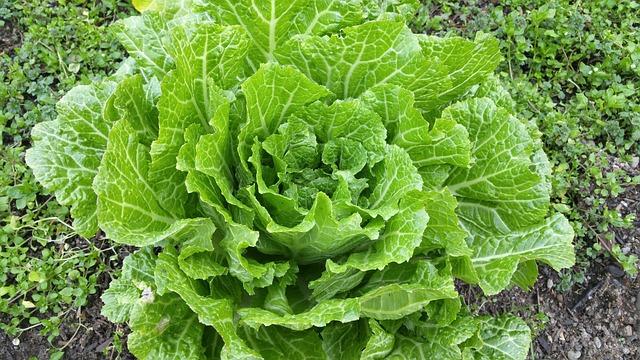
Comparing Napa Cabbage to Other Leafy Greens
When it comes to leafy greens, Napa cabbage is often overshadowed by popular choices like spinach, kale, and romaine lettuce. However, this Asian vegetable packs a nutritious punch that shouldn’t be overlooked. Let’s take a closer look at how Napa cabbage compares to other leafy greens.
First and foremost, Napa cabbage is a great source of vitamin C, vitamin K, and fiber. This makes it an excellent choice for supporting immune health, bone strength, and digestion. In comparison to other leafy greens, Napa cabbage stands out for its mild flavor and versatility in cooking. Whether used raw in salads or cooked in stir-fries, soups, or stews, Napa cabbage adds a unique texture and taste to dishes.
| Leafy Green | Key Nutrients | Taste Profile |
|---|---|---|
| Spinach | Iron, vitamin A, vitamin K | Mild, slightly sweet |
| Kale | Vitamin C, vitamin K, calcium | Robust, earthy |
| Romaine Lettuce | Vitamin A, vitamin K, folate | Crisp, slightly bitter |
Overall, Napa cabbage holds its own among other leafy greens in terms of nutrition and taste. Adding this underrated vegetable to your diet can bring a delightful variety to your meals while providing essential vitamins and minerals for your overall health.
Recipes Featuring Napa Cabbage
One of the most versatile and nutritious vegetables around, Napa cabbage is a popular choice for those looking to add a healthy twist to their meals. With its mild flavor and crunchy texture, Napa cabbage can be used in a variety of dishes, from salads and stir-fries to soups and wraps.
Here are a few that are sure to delight your taste buds:
-
Napa Cabbage Salad: Combine thinly sliced Napa cabbage with shredded carrots, bell peppers, and cucumbers. Toss with a sesame ginger dressing and top with toasted almonds or sesame seeds for an added crunch.
-
Stir-Fried Napa Cabbage: Heat oil in a wok and stir-fry sliced Napa cabbage with garlic, ginger, and your choice of protein. Add soy sauce and a touch of honey for a deliciously savory dish.
-
Napa Cabbage Rolls: Use Napa cabbage leaves as a wrapper for filling ingredients like ground turkey, quinoa, and vegetables. Steam or bake the rolls until tender, then top with a tangy tomato sauce for a satisfying meal.
Incorporating Napa cabbage into your meals is not only tasty but also a great way to boost your intake of vitamins and minerals. Give these recipes a try and experience the leafy goodness for yourself!
Expert Opinions on the Health Benefits of Napa Cabbage
When it comes to leafy greens, Napa cabbage is often an underrated choice. However, experts in the field of nutrition and health have plenty to say about the numerous benefits of this cruciferous vegetable. Here are some insights from experts on why you should consider adding Napa cabbage to your diet:
- Rich in Nutrients: Napa cabbage is packed with essential vitamins and minerals such as vitamin C, vitamin K, and folate, making it a great addition to a balanced diet.
- Antioxidant Properties: The high levels of antioxidants in Napa cabbage can help protect your cells from damage and reduce the risk of chronic diseases.
- Gut Health: Napa cabbage is a good source of fiber, which can promote digestive health and improve gut function.
| Expert | Quote |
|---|---|
| Dr. Jessica Lee, RD | “Napa cabbage is a nutrient-dense vegetable that can offer a wide range of health benefits when included in a balanced diet.” |
| Dr. Mark Roberts, Nutritionist | “The antioxidant properties of Napa cabbage make it a valuable addition to any meal, helping to support overall health and well-being.” |
Final Thoughts
In conclusion, Napa cabbage is not only delicious but also a highly nutritious vegetable that can benefit your overall health. With its low calorie, high fiber, and vitamin-rich profile, it is a great addition to any diet. Whether you enjoy it raw in salads, pickled in kimchi, or cooked in stir-fries, Napa cabbage offers a versatile and tasty way to boost your nutrient intake. So next time you’re at the grocery store, be sure to grab a head of this leafy goodness and enjoy the health benefits it has to offer! Your body will thank you for it.


